Why You Can’t “Just Stop Overeating” — And What Actually Helps

Mariana Monsalve • May 13, 2026

Why You Feel Like You “Can’t Stop Eating” Sometimes

Most people think overeating is a discipline problem.


Like if they could just be more motivated, more consistent, or “try harder,” everything would finally click. But for a lot of people, it’s not that simple.


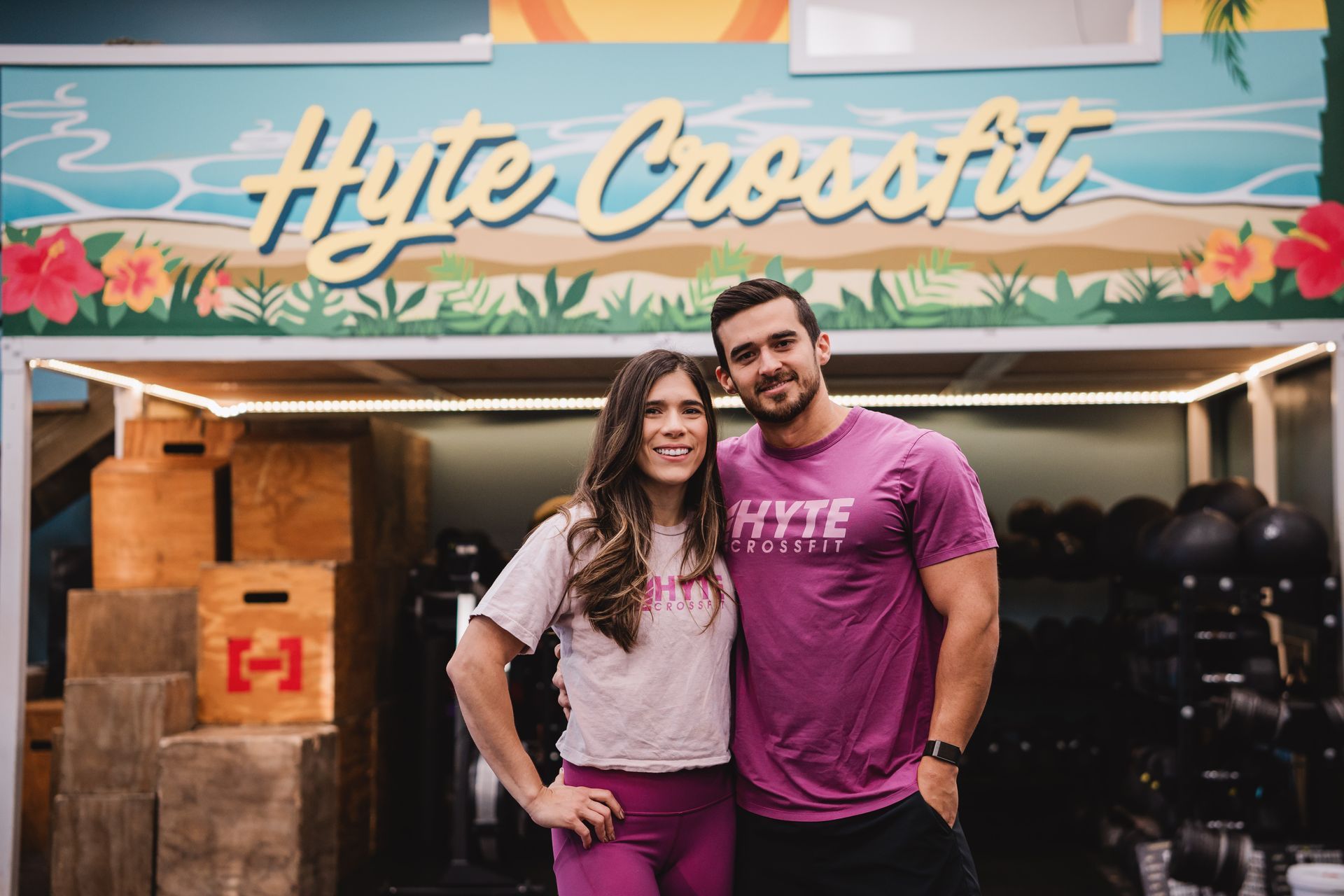
At Hyte CrossFit, we talk to busy adults all the time who feel frustrated with nutrition because they keep ending up in the same cycle:


They do well all day.
Stay busy.
Try to eat healthy.
Push through cravings.

Then nighttime comes and suddenly they feel completely out of control around food.


And afterward comes the guilt:


“I need to get back on track.”
“I ruined my progress.”
“I have no discipline.”


The truth is, modern food and modern lifestyles make this much harder than people think.

The Problem Isn’t Always Willpower

Think about the foods people tend to overeat most often.


Chips.
Cookies.
Fast food.
Sugary coffee drinks.
Ice cream.
Snack foods.


These foods are designed to taste really good. They hit the perfect combination of salt, sugar, fat, crunch, and texture in a way that keeps you reaching for another bite without even thinking about it.


Most of them are also easy to eat quickly and don’t leave people feeling very full for very long.


That’s part of why it can feel surprisingly easy to eat hundreds of calories worth of snacks and still feel unsatisfied afterward.


Meanwhile, meals built around whole foods usually create a completely different experience. Protein, fruit, potatoes, rice, vegetables, and healthy fats tend to slow people down naturally and leave them feeling fuller and more satisfied.


Your body isn’t broken for responding differently to those foods.

Stress and Exhaustion Matter More Than People Realize

A lot of people are trying to improve their nutrition while also running on very little energy.

They’re stressed.
Over-scheduled.
Sleeping poorly.
Eating meals quickly between responsibilities.
Trying to juggle work, family, workouts, and everything else life throws at them.


When people are exhausted, cravings usually get stronger — especially for quick, highly processed foods that provide fast energy and comfort.

That’s why nutrition struggles often have less to do with laziness and more to do with the environment someone is living in every day.


It’s difficult to rely on willpower when your body constantly feels overwhelmed.

The “Start Over Monday” Cycle

One of the biggest things that keeps people stuck is the all-or-nothing mindset around food.


People try to eat perfectly.
Eventually they overeat or have an off weekend.
Then they feel guilty and decide they “blew it.”


So Monday becomes another restart.


But real progress usually doesn’t come from being perfect.
It comes from becoming more consistent over time.


One meal rarely ruins progress.
One weekend rarely ruins progress.


The bigger issue is the constant cycle of restriction, guilt, and starting over.

What Actually Helps

Usually, the people who make the most sustainable progress are not the most extreme.


They’re the ones who start building habits that realistically fit their lives.


Sometimes that looks like:

  • eating more protein during the day
  • slowing down while eating
  • sleeping a little more
  • eating more balanced meals instead of snacking constantly
  • keeping easier healthy options available
  • being less restrictive overall


Nothing dramatic.


Just small habits repeated consistently.

And over time, those habits tend to create much bigger changes than constantly chasing the “perfect” diet.

Final Thoughts

Nutrition should make your life feel better — not more stressful.

It should help you feel stronger, healthier, more energized, and more confident without feeling like every meal turns into a battle with yourself.

If you’ve struggled with overeating, cravings, or constantly feeling like you’re starting over, you’re definitely not alone.


If you’re in Fort Myers and looking for help with nutrition, fitness, fat loss, or building healthier habits, we’d love to help. Book a Free Intro at Hyte CrossFit.
By Mari & Ricky • October 29, 2026
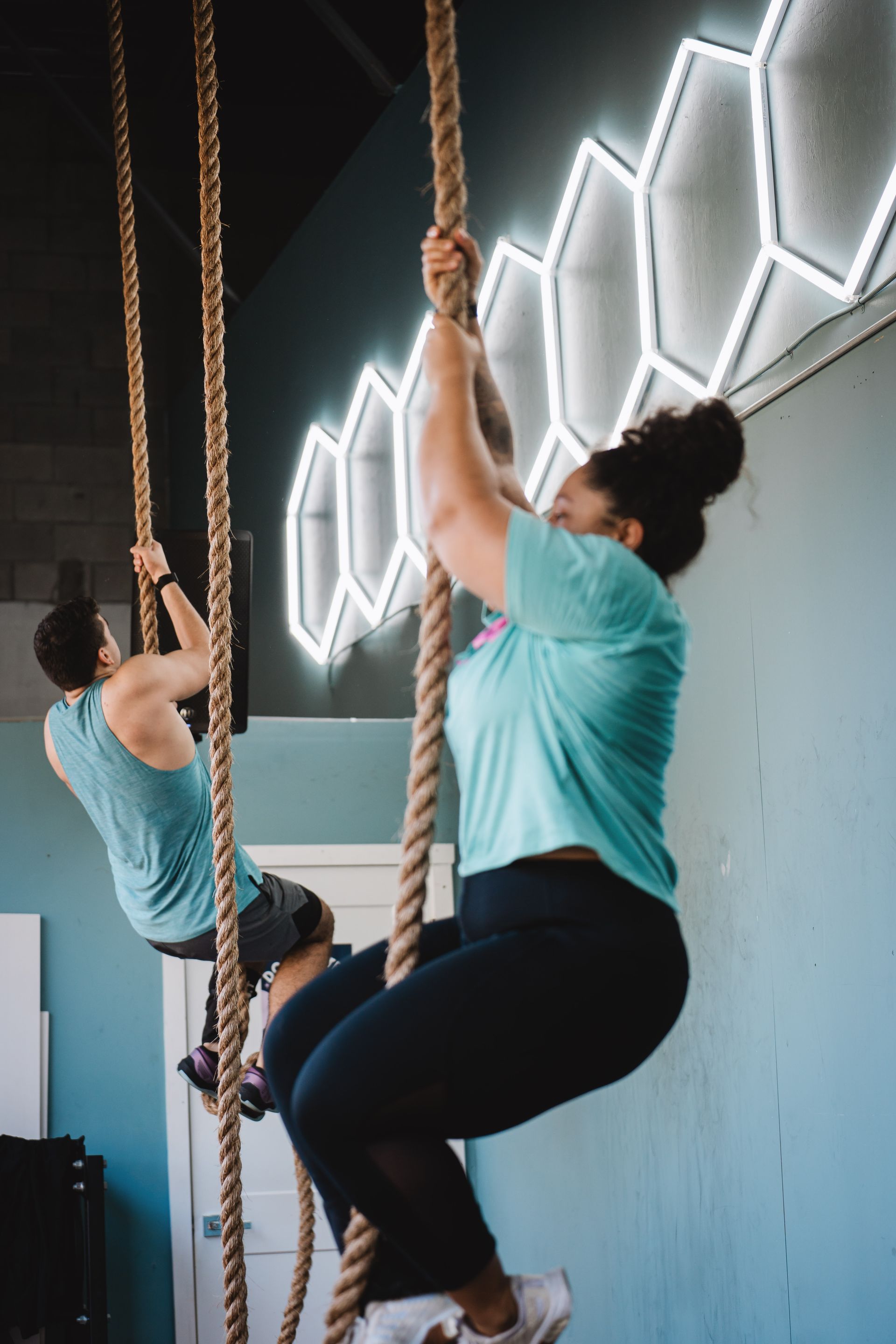
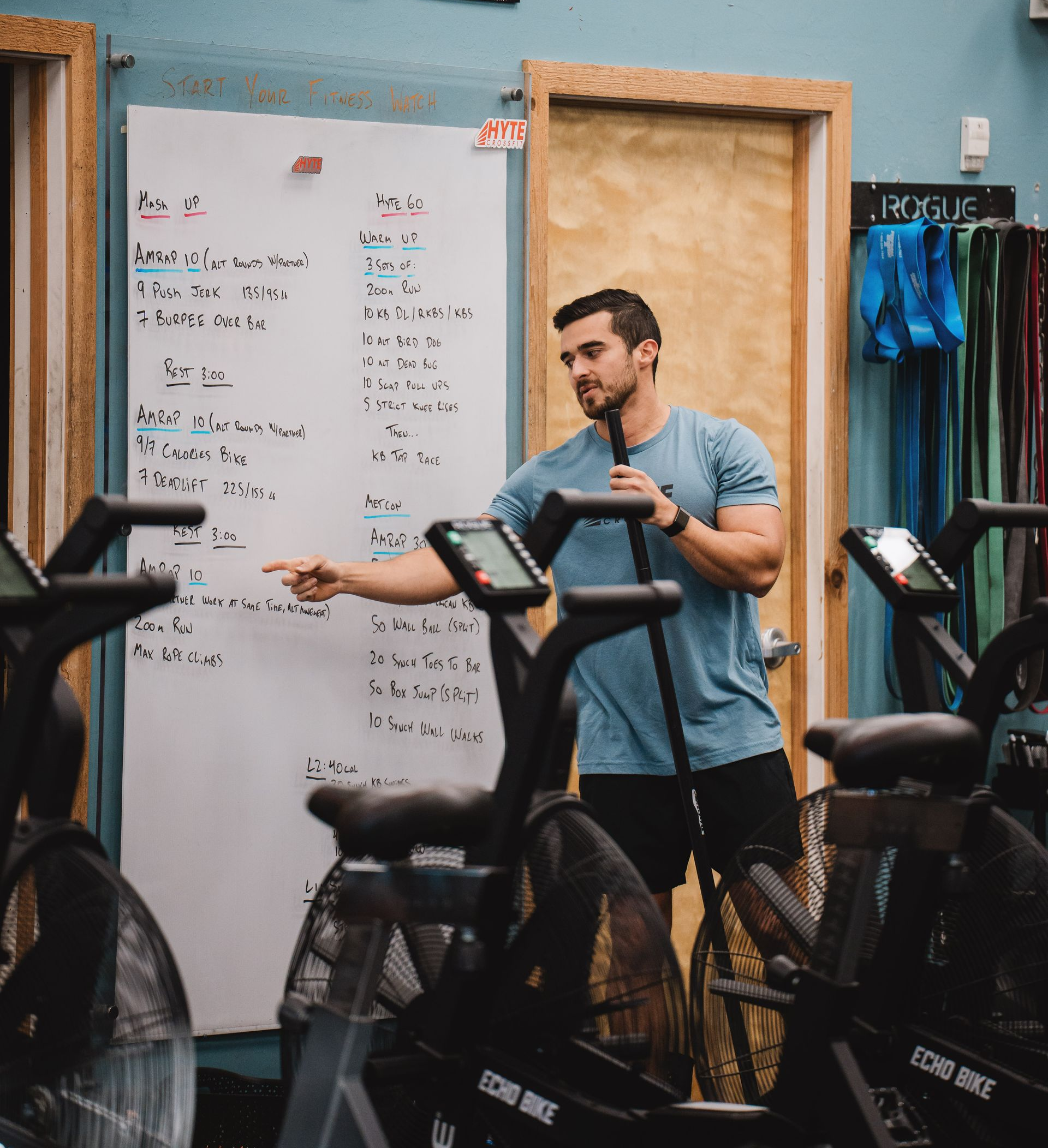
The short answer: You don't need to be fit to start CrossFit, nobody is judging your weights, and scaling is smart training, not cheating. Progress shows up in more than the scale, consistency beats intensity, rest is when you get stronger, and the community is what keeps you coming back. After years of coaching at our Fort Myers gym, we've watched hundreds of people walk through our doors for the first time. Most of them carry the same worries. Here are the eight lessons we wish every new member knew on day one. Number 6 might change how you train. 1. You don't have to get fit before joining a gym Getting fit is what the gym is for. The most common thing we hear at a Free Intro is "I'll come in once I'm in better shape." That day rarely comes on its own. Every CrossFit workout at Hyte is scalable. Our coaches adjust the weight, the movement and the pace to where you are today, whether you're 25 or 70, brand new or coming back after years off. 2. Nobody is watching how much weight you're lifting The people around you are too busy getting through their own workout to check your barbell. In a group class, everyone is working at their own level at the same time. What people do notice is effort. When you finish last, the class cheers you through your final reps. That's the culture we've built: no egos, just people working hard side by side. 3. The scale doesn't tell the whole story Getting stronger, sleeping better and having more energy count as progress too. Your weight can sit still for weeks while your body composition, strength and conditioning change underneath it. Track the wins the scale can't see: a heavier deadlift, your first unassisted pull-up, jeans that fit differently, an easier time keeping up with your kids. If body composition is your goal, pair training with nutrition coaching so you can see the full picture. 4. Rest days aren't a sign of weakness Your body gets stronger while it recovers, not while you train. Workouts create the stress; sleep, food and rest days are when your muscles repair and adapt. Skipping rest leads to stalled progress, nagging aches and burnout. Most of our members do best with 3 to 5 classes a week plus active recovery like walking, mobility work or time in our cold plunge room. 5. The best workout isn't the hardest one The best workout is the one you can show up for consistently. One brutal session that leaves you too sore to move for four days does less than three steady sessions a week. Results come from months of showing up, not from one heroic day. Pick a class schedule that fits your real life, then protect it. 6. You don't have to RX every workout Scaling isn't cheating. It's training smart. "RX" means doing a workout exactly as written, with the prescribed weights and movements. It's a target, not a requirement. Scaling means adjusting a workout to match your current ability: lighter loads, modified movements or fewer reps. It keeps the intended stimulus of the workout while protecting your form and joints. Many of our strongest members still scale often, and that's exactly why they keep improving year after year. 7. You won't always feel motivated Some days, just walking through the door is the win. Motivation comes and goes; habits are what carry you on the low days. Book your classes ahead of time, have a friend expect you there, and lower the bar on hard days. A lighter session still counts. Showing up tired is a skill, and it builds the consistency that changes everything. 8. The people are what keep you coming back You join for the workouts. You stay for the community. The fist bumps after a tough workout, the members who notice when you've missed a week, the friendships that start between rounds: that's what makes training stick. It's the part of Hyte our members mention most. A gym full of people who know your name is a lot harder to q 
Bring-A-Friend Week at Hyte CrossFit in Fort Myers, Florida, November 16-20, 2026
By Mariana Monsalve • October 22, 2026
Join Hyte CrossFit's Bring-A-Friend Week in Fort Myers, November 16-20, 2026. Five days of unlimited classes, expert coaching, and beginner-friendly workouts.
How to Find Time to Work Out | HYTE CrossFit Fort Myers
By Mariana Monsalve • October 15, 2026
Struggling to find time to work out? Discover practical fitness tips, flexible CrossFit classes, and personal training at HYTE CrossFit in Fort Myers.
By Mariana Monsalve • October 7, 2026
Skip the 5-second tricks. Learn what visceral fat is, why it matters, and the four whole-food habits that actually reduce belly fat.
Athlete rowing with proper form during a 500m row workout at HYTE CrossFit in Fort Myers
By Ricardo Belen • September 14, 2026
Stuck on your 500m row time? Learn the rowing technique, pacing and training strategy that actually lowers your split — from HYTE Endurance Club.
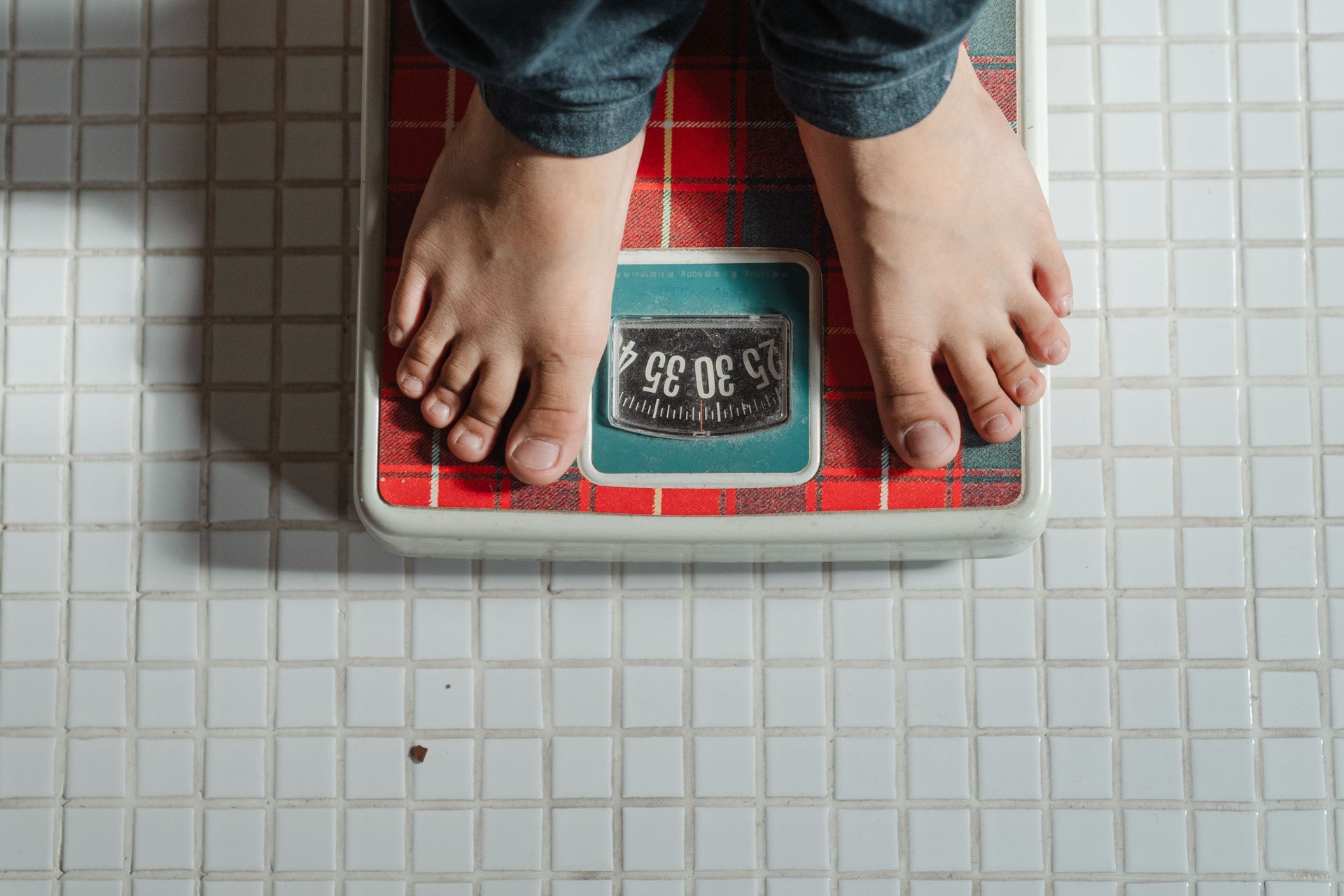
Person standing on a digital scale, weight loss
By Mariana Monsalve Chacon • September 8, 2026
Taking a GLP-1 like Ozempic or Zepbound? Learn why strength training and protein are key to protecting muscle — and how Hyte CrossFit in Fort Myers can help.
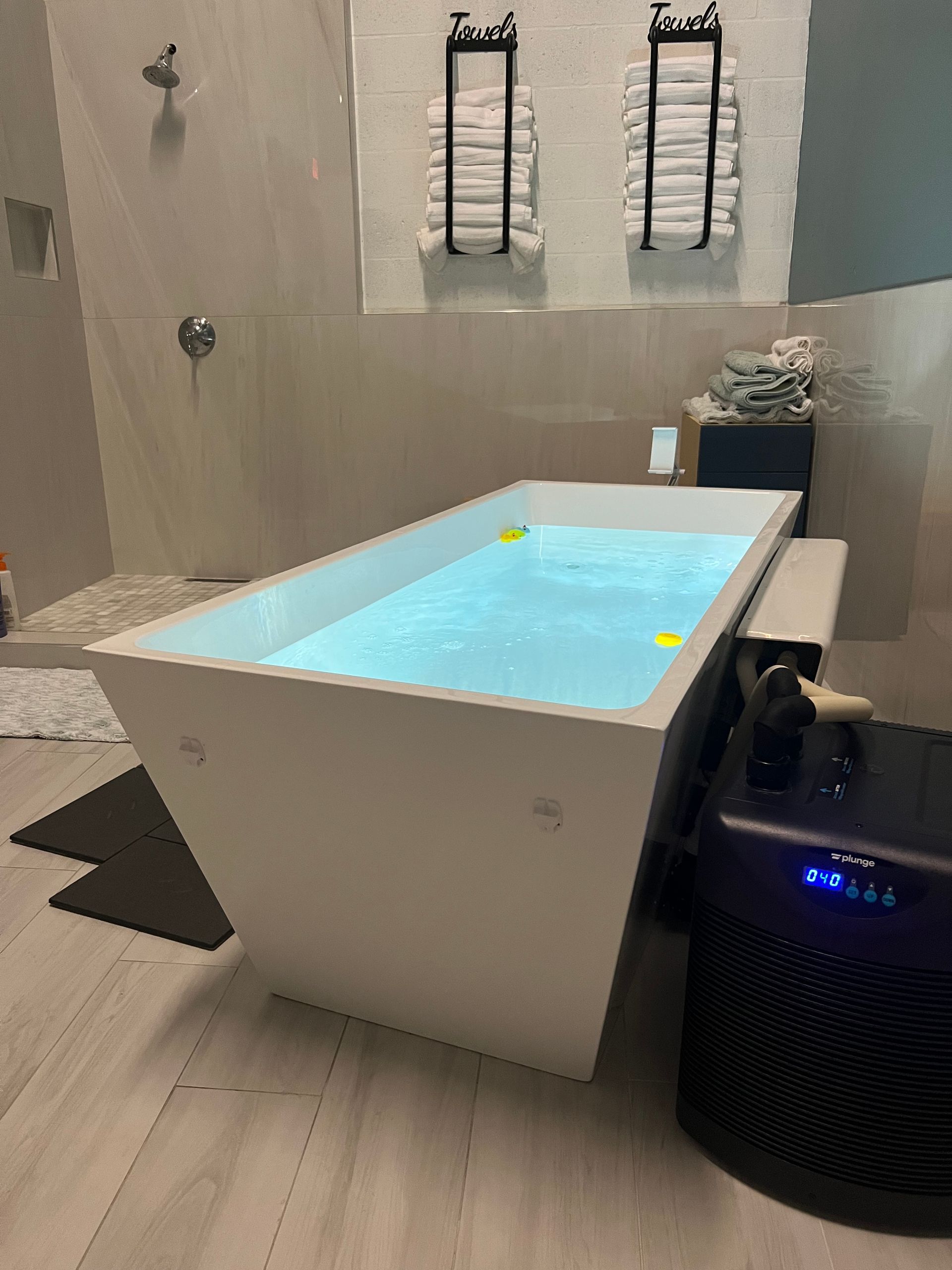
cold plunge room at HYTE CrossFit in Fort Myers
By Mariana Monsalve • August 24, 2026
What does the research actually say about cold plunging? A Fort Myers CrossFit coach breaks down soreness, muscle growth, mood, and sleep benefits.
New member doing a one-on-one CrossFit onboarding session with a HYTE coach in Fort Myers.
By Mariana Monsalve • August 12, 2026
Nervous to start CrossFit? See exactly what your first month at HYTE looks like — from 1-on-1 onboarding to your first scaled group class.
Person lifting a barbell overhead in a gym, with another athlete lifting behind them.
By Mariana Monsalve • August 6, 2026
Discover the science-backed benefits of strength training — fat loss, longevity, stronger bones — plus how often to train and how to start safely.
Gym class with people doing synchronized barbell overhead presses in a colorful studio
By Mariana Monsalve • July 30, 2026
Working out consistently but not seeing results? Discover the 7 most common reasons progress stalls—and how to start moving forward again.