Cold Plunge after a workout: Does it actually help Recovery?
I get it — nobody's excited to get into 40ish-degree water after already going through a workout. But I want to make the case for it, because the research backs up what a lot of you already feel after using it.
Quick answer: Get in. Especially after a hard conditioning day, a competition, or before another tough session. It cuts soreness, and the benefits go further than that — better mood, better sleep, lower stress. The one time to hold off is right after a heavy strength day. Give that one a few hours. Everywhere else, use the room.
What's Actually Happening In There
That first 20 seconds are rough — your blood vessels clamp down, heart rate jumps, breathing gets fast and shallow. That's the cold shock response. It's real, it's normal, everyone feels it.
It passes in about a minute. Breathing evens out. It stops feeling like an emergency.
Push through that first minute. The benefit's on the other side.
It Actually Helps You Recover — Here's the Proof
A review of 52 studies found people were noticeably less sore and felt more recovered 24 hours after hard training when they used cold water immersion. A 2025 study of 24 trials found the same thing, with an even bigger effect when paired with light movement or compression.
Timing matters: the biggest payoff comes from getting in within an hour of finishing — which is exactly why that room's open right after class.
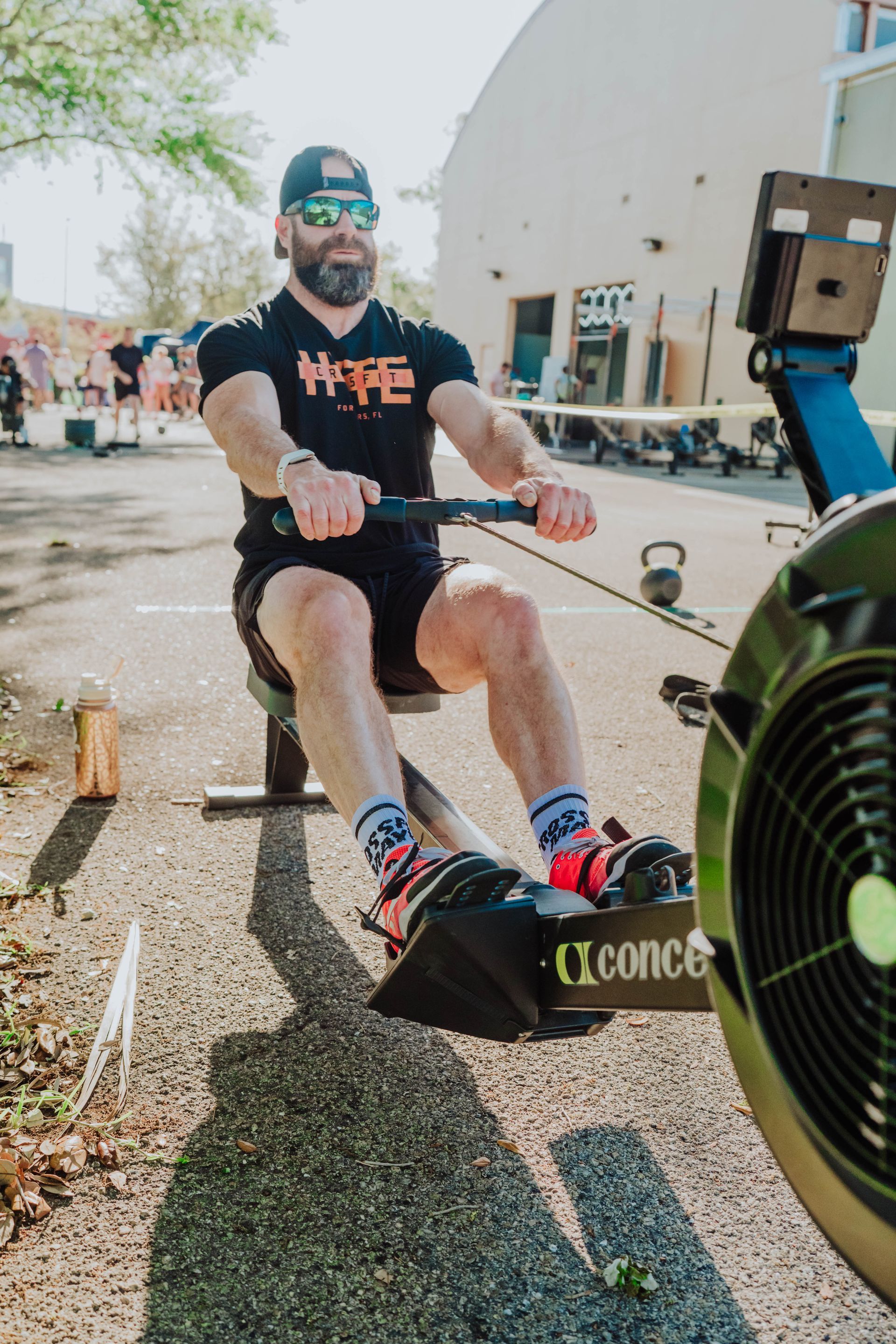
So when you crush a hard metcon or after a competition, that's your moment. Get in.
It's Not Just About Soreness
Mood. A study had people sit in cold seawater for up to 20 minutes and measured mood right after. Tension, anger, and fatigue dropped. Energy and confidence went up. The control group barely moved — and researchers controlled for the "just worked out" effect, so this was the cold itself doing the work. A bigger 2025 review of 3,000+ people found the same pattern: lower stress, better mood, better overall wellbeing. I hear this from people all the time.
Sleep. One study had people do 10 minutes in 50-degree water, three times a week, for four weeks. Sleep quality improved and disturbances dropped. A larger review found the same link.
Stress tolerance. Every time you get in, you're practicing staying calm while your body's telling you to panic. That's real training, not a mindset cliché. Some research shows regular cold exposure lowers cortisol reactivity over time — your body gets better at handling stress in general, not just cold water.
I'll be straight: this research is still developing, sample sizes are on the smaller side. But between the data and what I see in you guys week to week, there's more happening in that tub than sore legs.
"But Will It Kill My Gains?"
Fair question, and I want to give you a straight answer instead of just hyping the room no matter what.
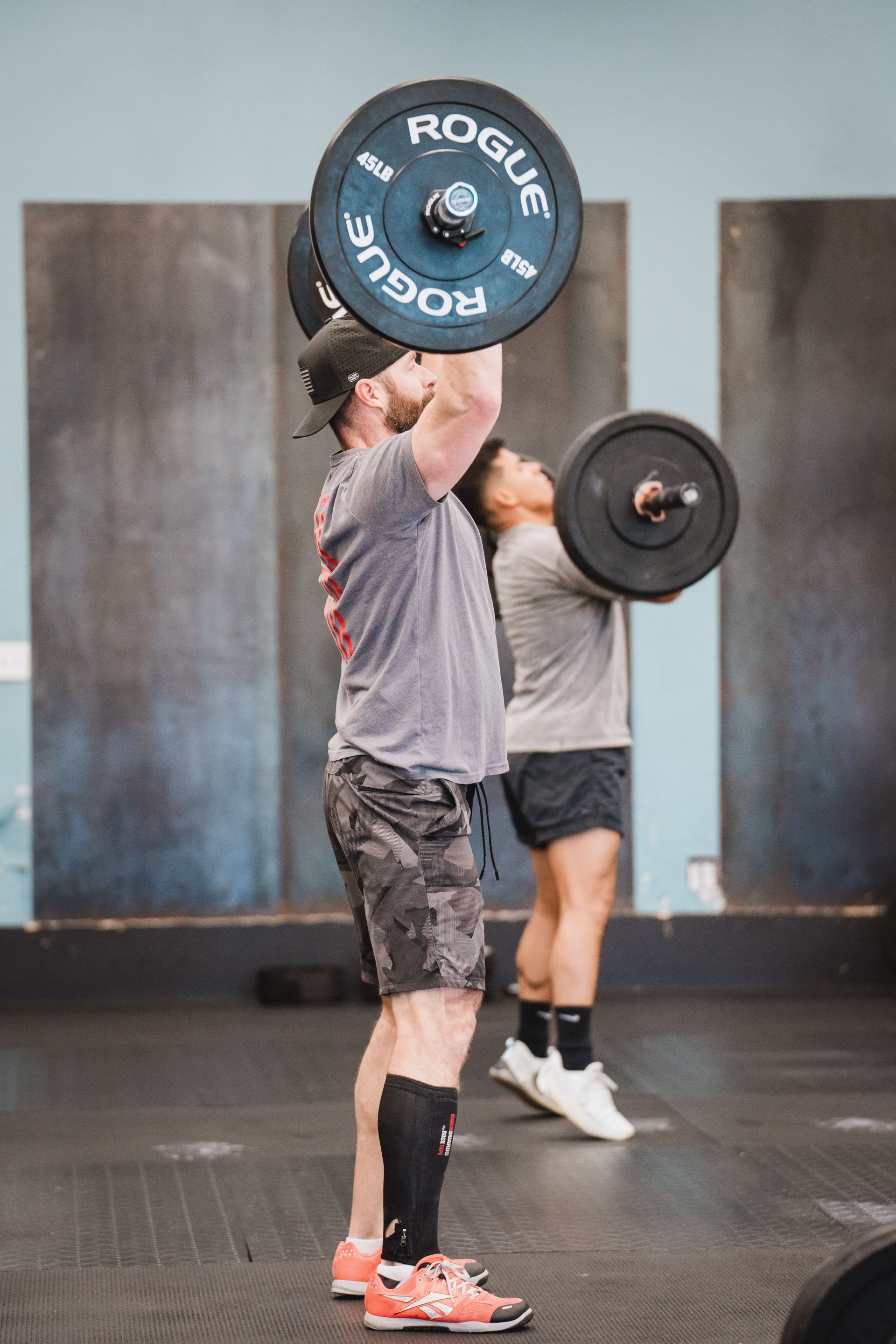
If today was a heavy lifting day, cold water right after might dial down the signals your body uses to build muscle. Studies have found smaller muscle-building signaling and less satellite cell activity in groups that plunged right after lifting versus groups that used light active recovery instead.
That's not a reason to skip the plunge room — it's a reason to time it right. Heavy strength day? Wait a few hours, or save it for later. Conditioning day? None of this applies — get in like normal.
This is why I don't tell everyone to plunge after every single class. Use it strategically and you get the benefit with none of the downside.
When I Want You Getting In
Just finished hard conditioning or a competition? Get in. Best-case scenario.
Got another hard session coming soon? Get in. Feeling less beat up matters more right now.
Rest day, no workout attached? Get in. Actually one of my favorite ways to use it.
Just finished heavy strength work? Wait a few hours, or come back later.
Three out of four say get in. This room is for you far more often than not.
How to Actually Do It
Don't be a hero in there. I'd rather see consistency than one brutal session you never repeat.
Most research lands around 10–15 minutes per week, water between 41–59°F. New to it? Start with 2–3 minutes and build up.. Nobody needs to prove anything in that tub. Just get in.
One Thing I Need You to Hear
The plunge room doesn't fix bad sleep, undereating, dehydration, or training harder than you can recover from. Get those right first. The plunge is the extra edge on top — that's it.
Quick Safety Note
Cold water is a real event for your heart and blood pressure, not just discomfort. Heart condition, pregnant, or other health concerns — check with your doctor first. First time ever? Don't make it extreme. Ease in, breathe through that first minute, build up from there.
Frequently Asked Questions
Is a cold plunge good after CrossFit?
Almost always. After a hard conditioning day, it's one of our best tools for cutting soreness. The one exception: right after a heavy strength day — wait a few hours first.
Should I cold plunge after lifting weights?
Heavy strength or hypertrophy day? Wait a few hours before getting in. Any other kind of training day, get in as usual.
Does cold plunging reduce muscle soreness?
Yes — strongly backed by research. Multiple large studies show real reductions in soreness, especially in the first 24 hours after training.
Does cold plunging help with anything besides soreness?
Yes. Research shows improved mood and lower stress right after a session, better sleep quality with regular use, and lower cortisol reactivity over time — meaning your body handles stress better in general.
Does a cold plunge reduce inflammation?
It affects some inflammation markers, but it's not a simple on/off switch. Some inflammation is part of how your body adapts and grows stronger — the plunge helps you feel and perform better in the meantime, not erase all of it.
SO NEXT TIME YOU FINISH CLASS
Don't walk past that room. Get in for a few minutes. Your body already did the hard part — let it get the recovery it earned.
Never used it before, or not sure how it fits your training? Grab me or a coach after class. We'll walk you through it.
We built the Cold Plunge Room because recovery is part of training, not an afterthought. It's there alongside our coaching, strength and conditioning programming, personal training, and nutrition coaching — all working toward the same goal.
READY TO TRAIN WITH US?
Book a Free Intro at HYTE CrossFit in Fort Myers and see what makes our approach to training, coaching, and recovery different.
If you've been putting it off, a free intro session at HYTE CrossFit is the lowest-pressure way to see it for yourself: no class to keep up with, just a coach, the space, and your questions answered.
Book your free intro today and see what your first month could look like.
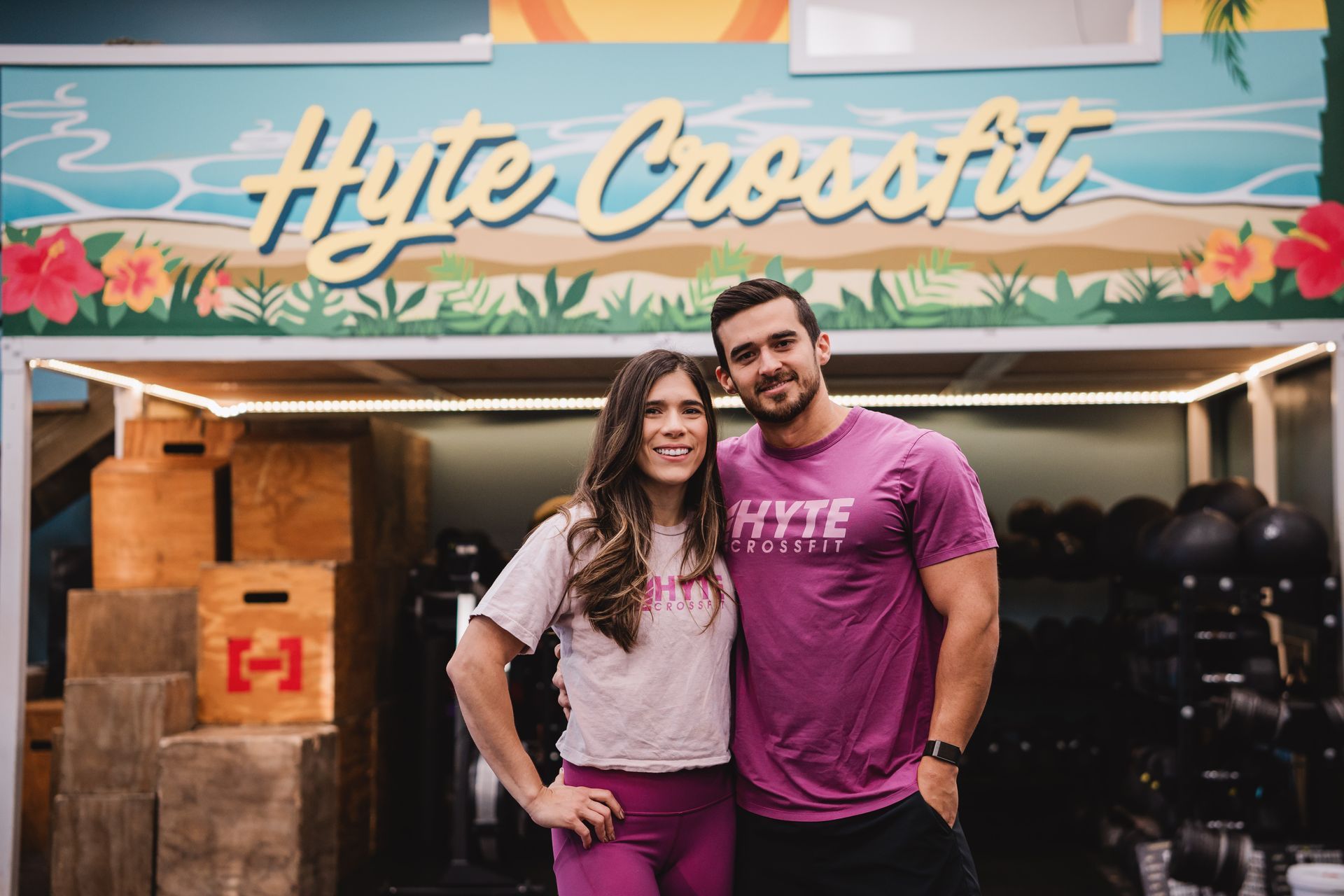
Mariana Monsalve is the owner and a coach at HYTE CrossFit with more than seven years of coaching experience. She is a CrossFit Level 2 Trainer (CF-L2), NASM Certified Personal Trainer (NASM-CPT), and Precision Nutrition Level 1 Coach (PN-L1).