Taking a GLP-1? Why Strength Training and Protein Matter for Protecting Muscle
Quick answer: GLP-1 medications such as Ozempic, Wegovy, Mounjaro, and Zepbound can produce significant weight loss. Some of that loss may come from lean mass, which includes muscle as well as water and other non-fat tissue. Resistance training and adequate protein are widely recommended to support muscle, strength, and physical function during weight loss, although researchers are still studying their exact effects during GLP-1 treatment. At Hyte CrossFit in Fort Myers, we help clients build a realistic strength and nutrition plan alongside the medical care provided by their healthcare team.
What GLP-1s Actually Do — and What They Don't
GLP-1 receptor agonists (semaglutide, tirzepatide, and similar drugs) work by slowing digestion and reducing appetite, which leads to eating less and, over time, significant weight loss — often more than diet and exercise alone typically produce. That's real, and for many people it's been life-changing.
GLP-1 medications influence appetite, fullness, digestion, and blood-sugar regulation, often resulting in lower energy intake. During any substantial weight loss, however, the body may lose some lean tissue along with fat—especially when resistance training and adequate nutrition are absent and especially without a way to keep muscle tissue "in demand" — it will break down muscle for fuel right alongside fat.
This isn't a fringe concern. It's shown up consistently in the research:
- A 2025 case series on patients using semaglutide or tirzepatide found that lean soft tissue accounted for roughly 26% to 40% of total weight lost.
- A large genetic analysis of over 800,000 people confirmed that GLP-1 use reduces both fat and lean mass — fat loss is the bigger share, but the muscle loss isn't negligible.
- Researchers reviewing the evidence in 2026 noted that clinical attention has shifted from how much weight comes off to the quality of that weight loss — meaning what's actually being lost along the way.
- One 2025 review found most people starting GLP-1 therapy get little structured support around this: only about 20% are referred to a dietitian, and just 51% receive guidance on managing side effects — let alone a plan for preserving muscle.
The concern with losing muscle isn't vanity — it's function. Muscle is your metabolic engine, your insulin sensitivity, your balance, your bone support system, and your ability to stay independent and strong as you age. Losing it while losing weight can leave someone lighter on the scale but weaker, more fatigue-prone, and more likely to regain fat once the medication stops or the dose changes.
The Good News: Resistance Training Changes the Equation
The body doesn't hold onto muscle it isn't using. Give it a reason to keep that tissue — through resistance training — and it responds very differently to a calorie deficit than it does with dieting alone.
Multiple ongoing clinical trials, including studies at the University of Exeter and Rice University, are specifically testing whether structured resistance exercise preserves muscle mass and function during GLP-1 treatment. The early evidence and clinical consensus already point the same direction: without training, a large share of weight lost is lean mass; with a consistent strength program, that share drops substantially.
What the research supports:
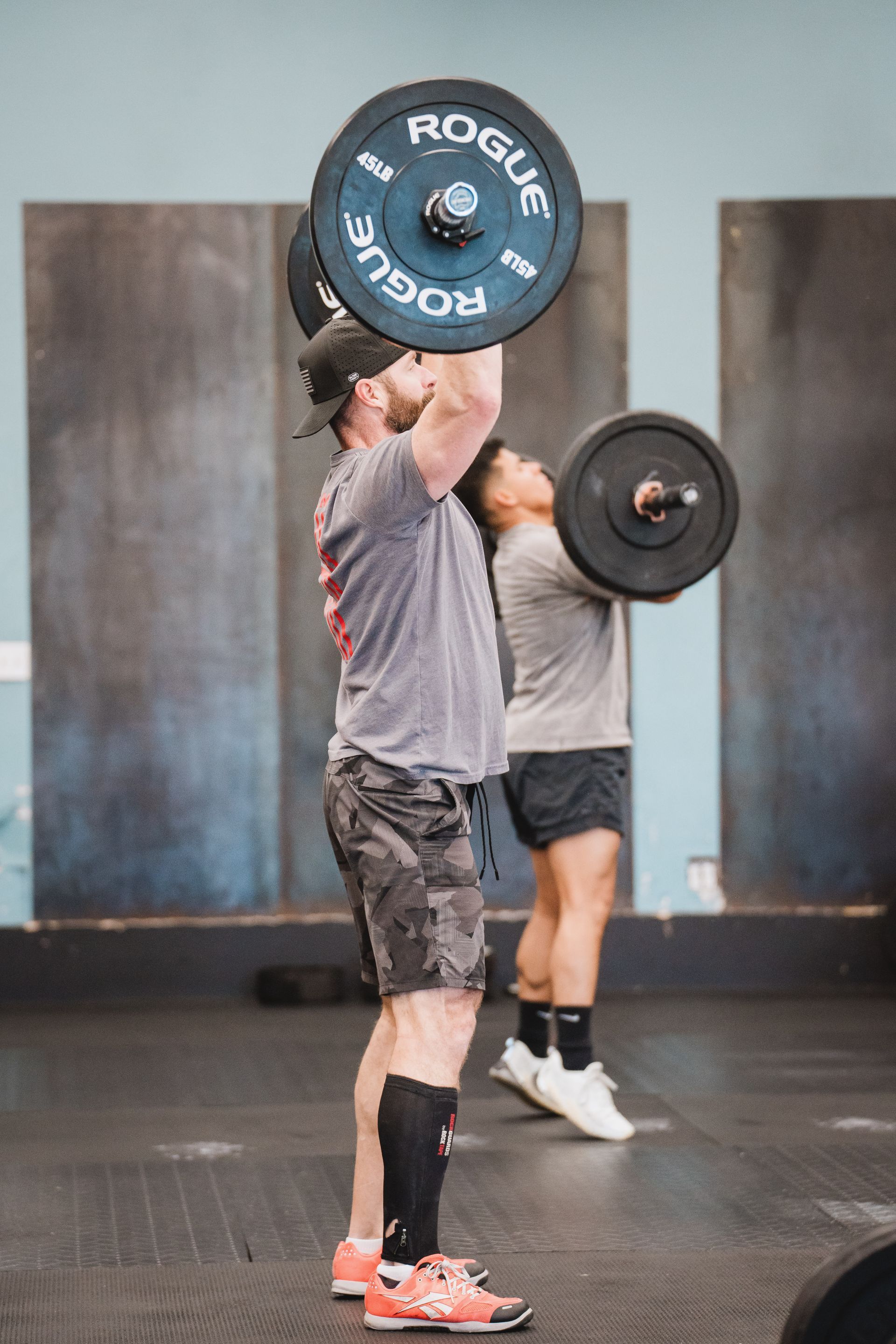
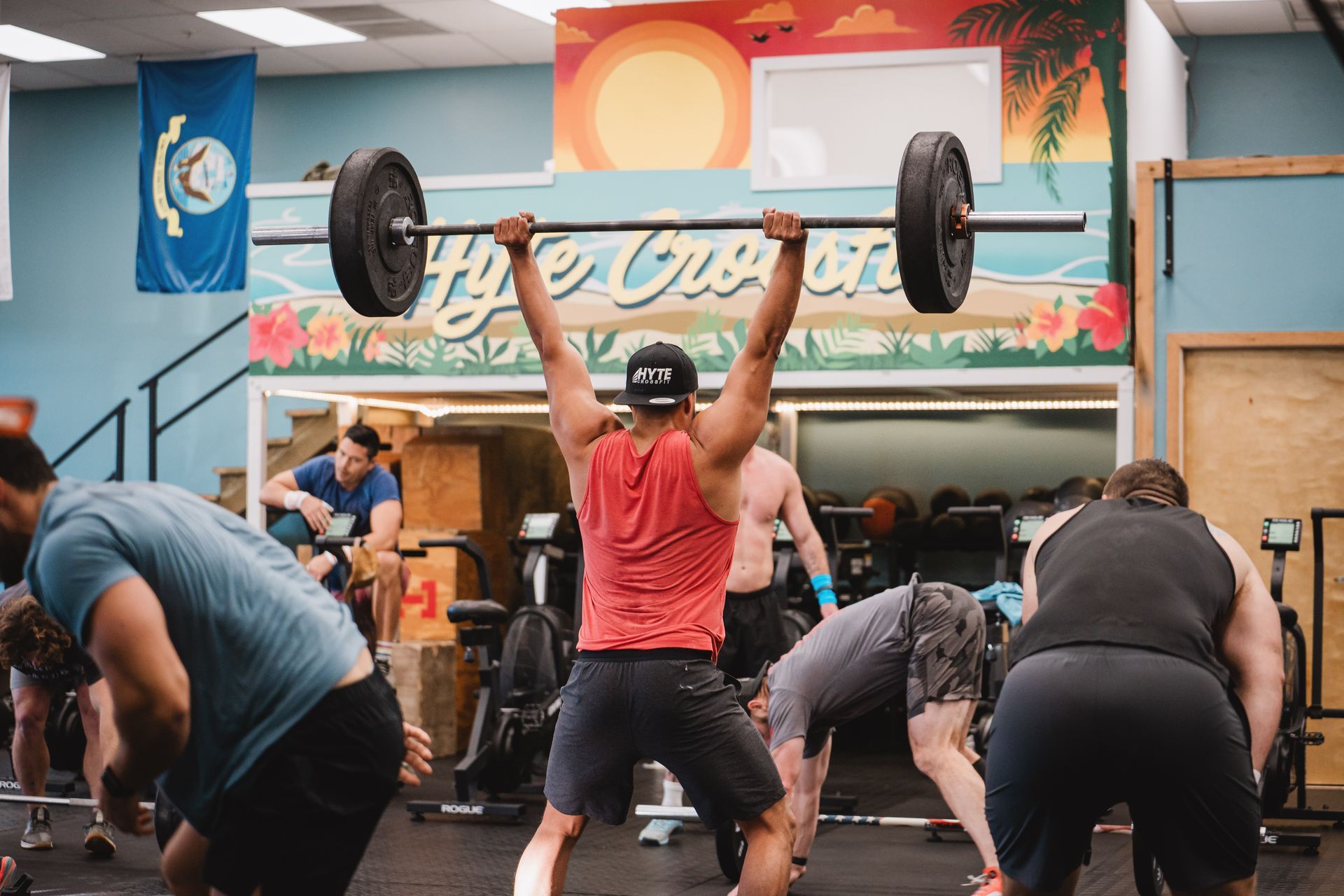
- Frequency: 2–4 resistance training sessions per week, hitting the major muscle groups (squat, hinge, push, pull) rather than isolated, low-effort movements.
- Progressive overload matters. Muscle is preserved when it's asked to do real work — not maintained through light movement alone.
- Consistency beats intensity spikes. A sustainable 3x/week program you can actually keep up for months outperforms an aggressive plan you abandon after three weeks.
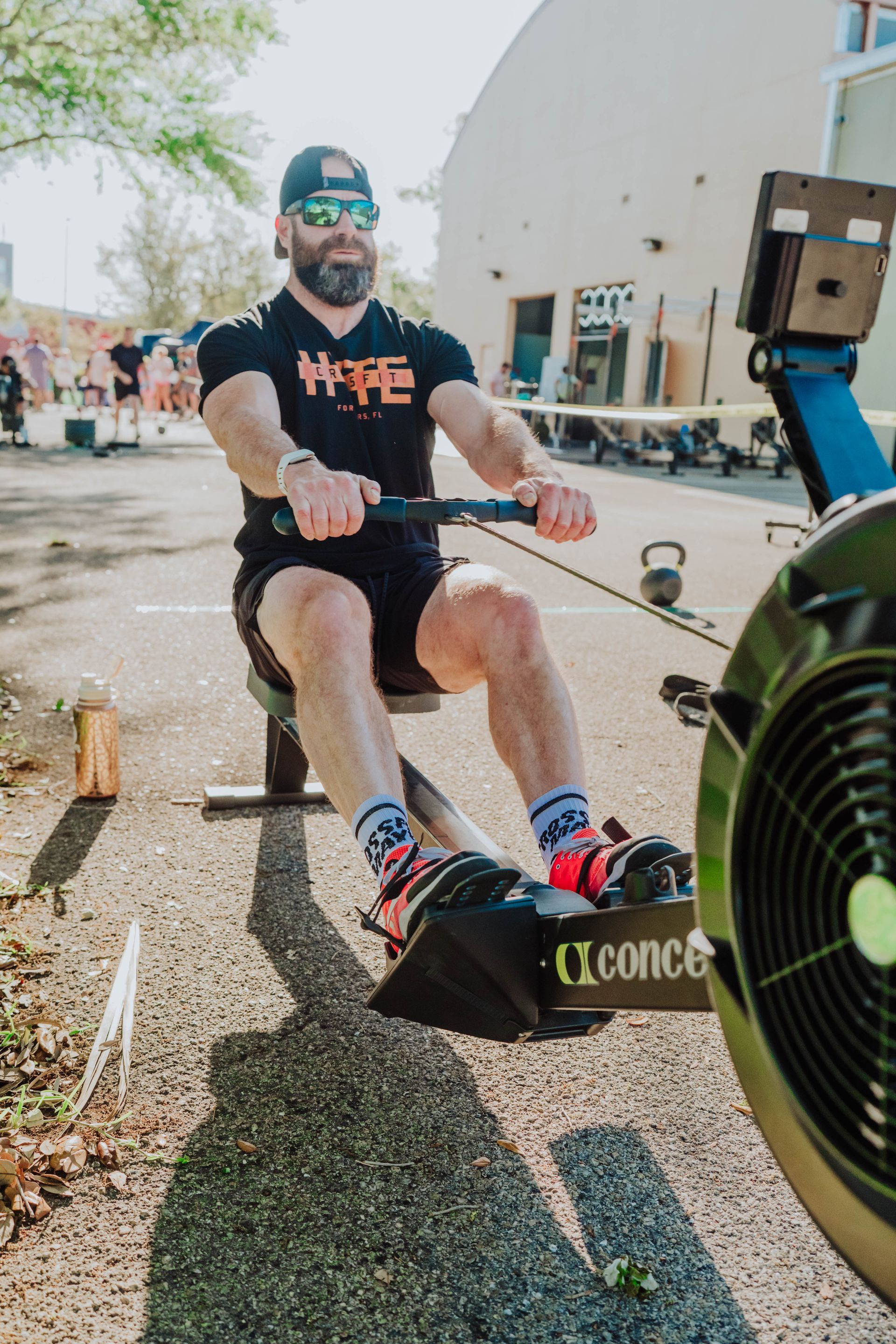
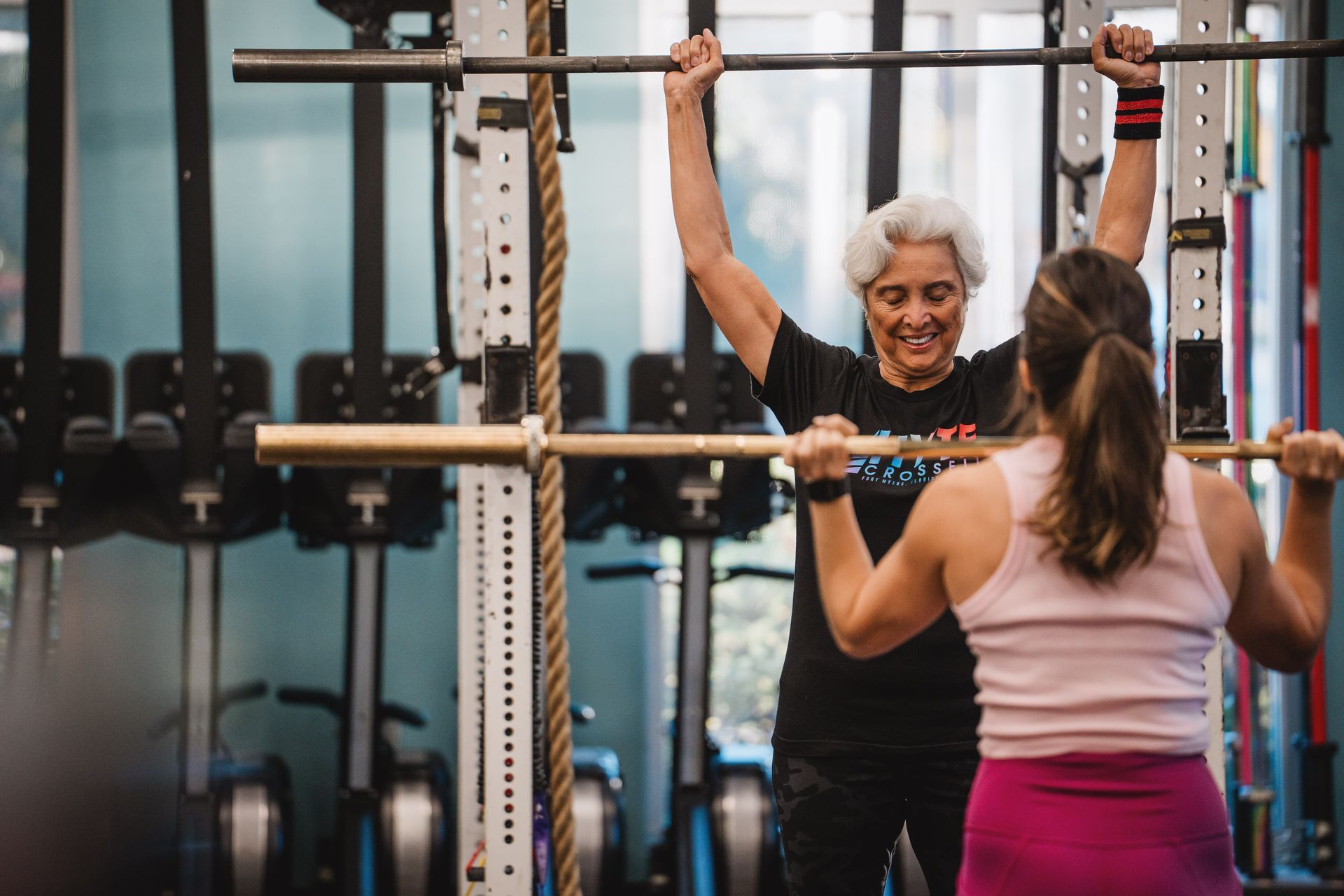
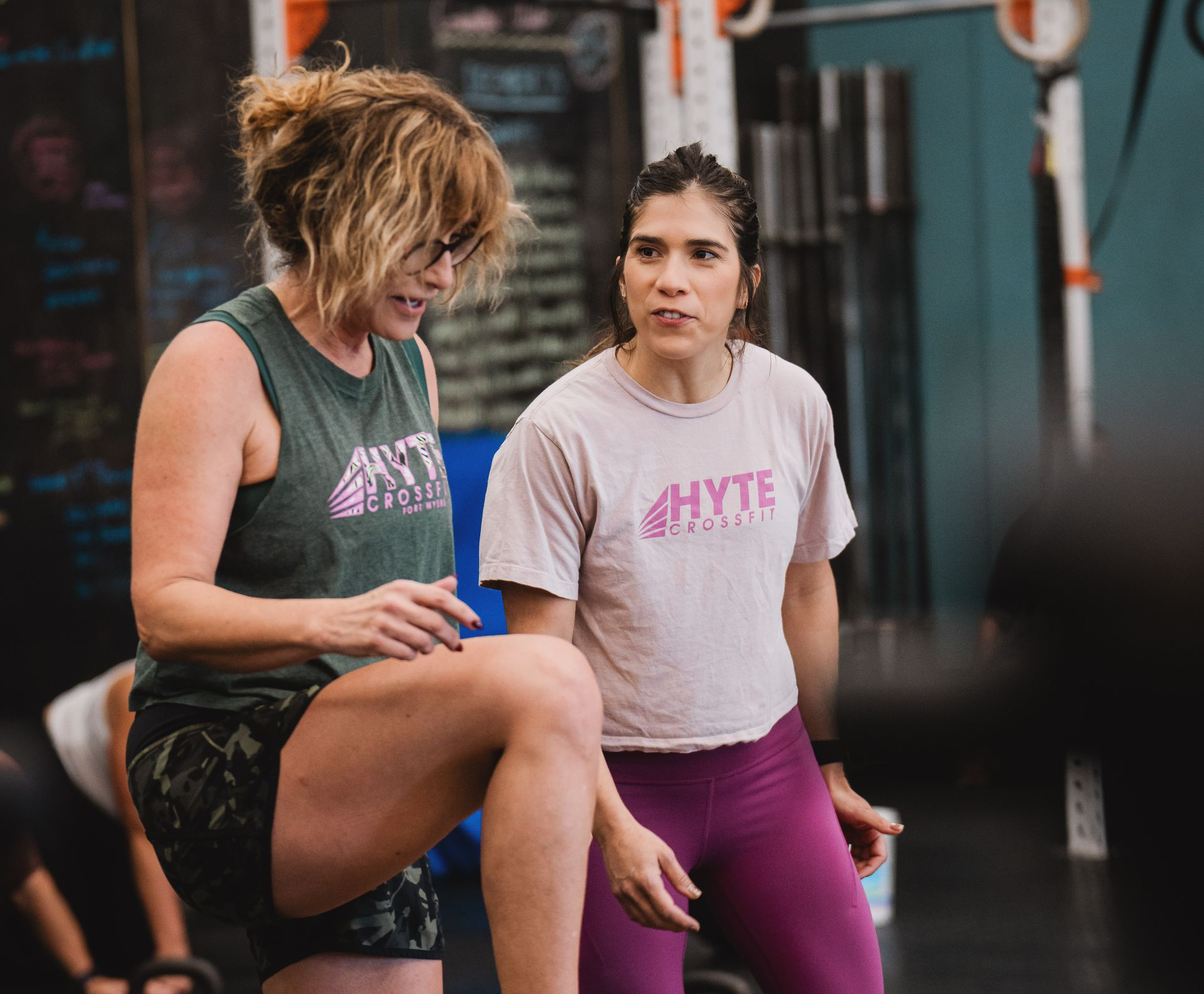
This is exactly where a coached environment like Hyte earns its keep. GLP-1 side effects — lower appetite, occasional fatigue, GI discomfort — can make it tempting to under-train just when training matters most. Coaching adjusts the plan around how you're actually feeling that day, keeps your form safe as your body composition changes, and keeps you showing up on the weeks motivation dips.
Protein: The Other Half of the Equation
Resistance training gives muscle a reason to stick around. Protein gives it the raw material to do so. Skip one and the other can't fully do its job.
Because GLP-1s suppress appetite, protein is often the first thing to slip — people simply don't feel hungry enough to eat what their muscles need. Research on weight loss and body composition points to a consistent target range:
- General target: roughly 1.2–1.6 grams of protein per kilogram of body weight per day. Protein needs should be individualized based on body size, age, activity, kidney health, total calorie intake, and medical history. Discuss your target with your physician or registered dietitian.
- Per-meal target: around 25–40 grams of protein per sitting, spread across 3–4 meals rather than backloaded into one. Muscle protein synthesis is triggered meal-by-meal, not just by a daily total.
- Practical example: a 180 lb (about 82 kg) person aiming for 1.2–1.6 g/kg would target roughly 98–130 grams of protein per day.
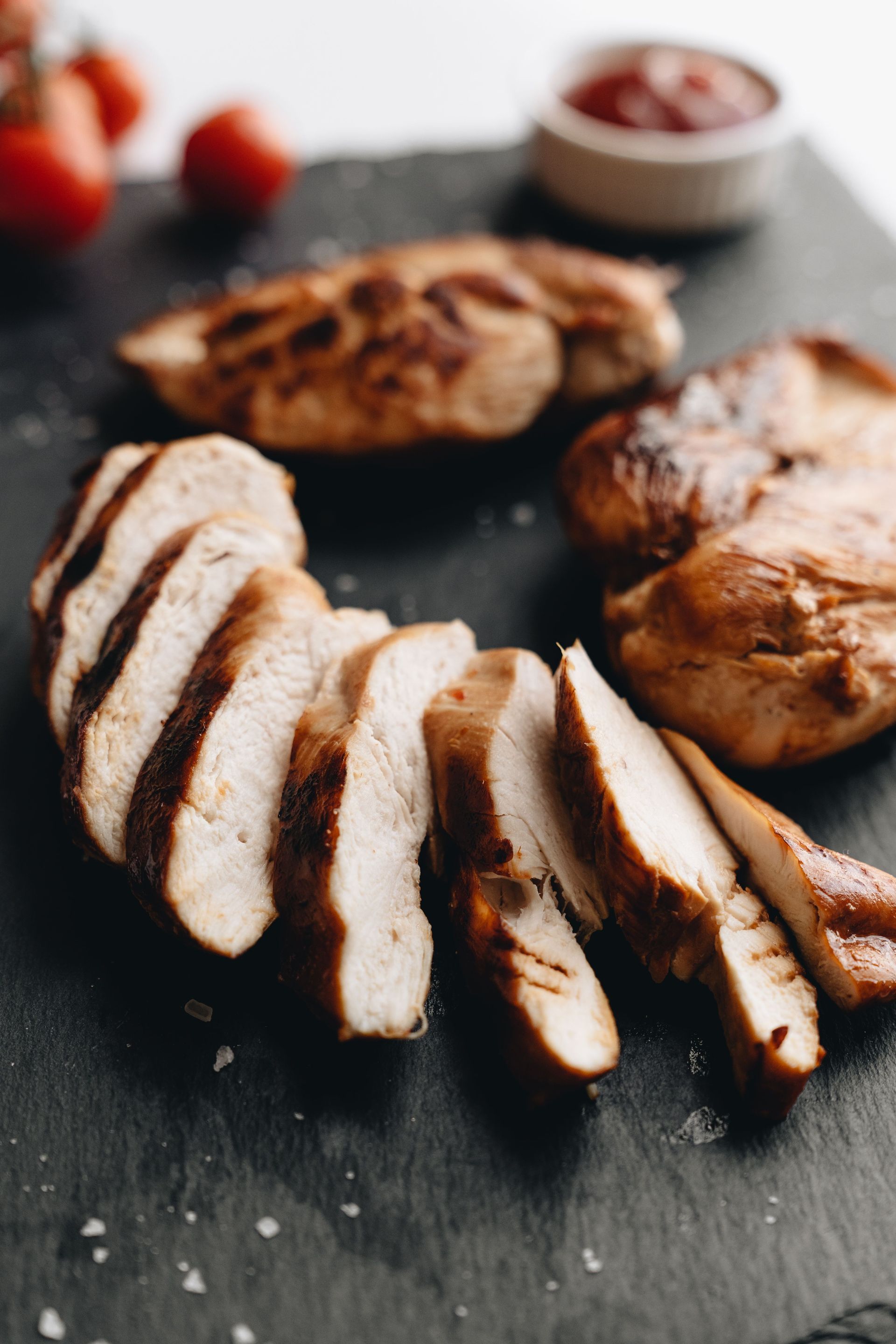
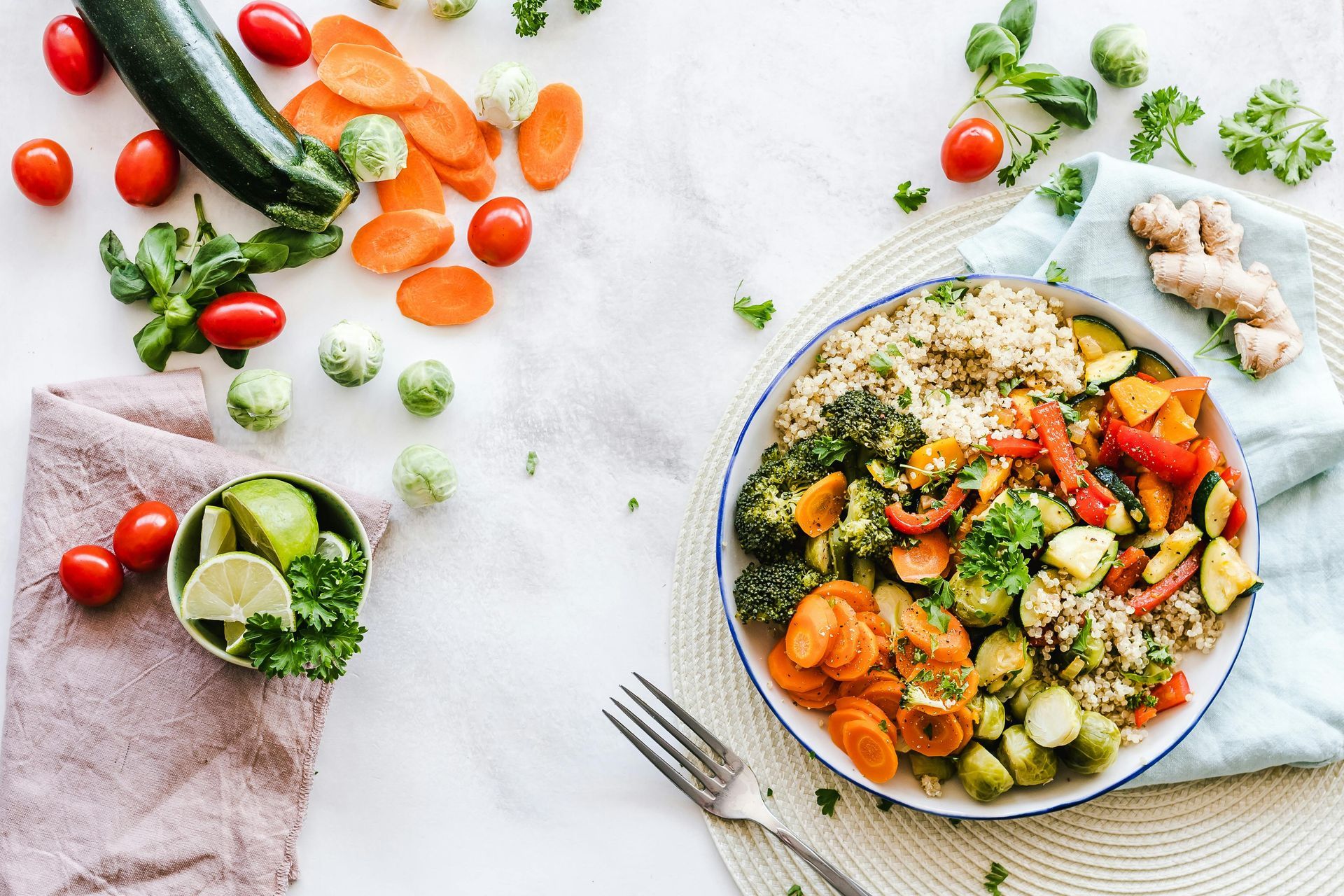
Because appetite is suppressed, this usually means being intentional rather than relying on hunger cues: protein-first meals, planned snacks (Greek yogurt, cottage cheese, eggs, lean meat, protein shakes), and treating protein as a non-negotiable rather than an afterthought.
Hyte's Take: The Medication Is a Tool, Not the Whole Plan
We're not here to tell anyone GLP-1s are good or bad — that's a conversation between you and your doctor. What we do know, and what the research increasingly confirms, is that the medication and the training aren't competing strategies — they work best together.
GLP-1s can take care of appetite and make a calorie deficit easier to sustain. But they can't build a squat pattern, coach your form on a deadlift, track whether your strength is holding steady month over month, or make sure you're actually hitting your protein target on a day your appetite is at zero. That's the part that determines whether you come out the other side of a weight-loss journey lighter and stronger — or just lighter.
Sustainable results — the kind that last after you've reached a goal weight, adjusted a dose, or eventually come off the medication — come from habits, not prescriptions alone. Strength training, adequate protein, sleep, and consistency are what determine whether the results stick.
How Hyte CrossFit Supports Clients on GLP-1s
If you're in Fort Myers and currently on or considering a GLP-1 medication, here's what coached support looks like at Hyte:
- Programming that protects muscle, not just burns calories — strength-focused sessions built around progressive overload, scaled to your current fitness level and energy.
- Coaching that adapts in real time to GLP-1 side effects like appetite changes or fatigue, so you keep training safely and consistently instead of pushing through or giving up.
- Practical nutrition guidance to help you hit realistic protein targets even when your appetite is working against you.
- A community and accountability system that keeps you showing up on the weeks when motivation alone wouldn't be enough.
FAQ: GLP-1S, MUSCLE LOSS, AND STRENGTH TRAINING
Do GLP-1 medications cause muscle loss?
Yes, to some degree. Research shows lean mass typically accounts for a meaningful portion of total weight lost on GLP-1s — commonly cited in the range of roughly a quarter to 40% of weight lost, though this varies by individual, dose, and activity level. Fat loss is still the larger share of total weight lost
Can you prevent muscle loss while on a GLP-1?
You can't eliminate it entirely, but you can significantly reduce it. The two most evidence-backed strategies are resistance training 2–4 times per week and eating 1.2–1.6 grams of protein per kilogram of body weight daily, spread across multiple meals.
How much protein should I eat on Ozempic or Zepbound?
Most research points to roughly 1.2–1.6 g/kg of body weight per day for people in active weight loss, aiming for 25–40 grams per meal. Talk to your doctor or a dietitian about what's right for your kidney health and individual situation.
Is cardio or strength training better for preserving muscle on a GLP-1?
Strength training is the more direct tool for preserving muscle, since it directly signals the body to maintain that tissue. Cardio has its own health benefits and can be included, but shouldn't replace resistance training if muscle preservation is the goal.
Do I need a coach or gym to do this safely?
It's not strictly required, but appetite changes, fatigue, and unfamiliar strength movements make coached programming considerably safer and more sustainable — particularly for anyone new to structured resistance training.
This post is for general educational purposes and isn't medical advice. Talk to your doctor about whether a GLP-1 medication is right for you and about your individual protein and exercise needs. Ready to build the strength side of your plan? Book your free intro today and see what your first month could look like.
Mariana Monsalve is the owner and a coach at HYTE CrossFit with more than seven years of coaching experience. She is a CrossFit Level 2 Trainer (CF-L2), NASM Certified Personal Trainer (NASM-CPT), and Precision Nutrition Level 1 Coach (PN-L1).