Working Out But Not Seeing Results? 7 Reasons Why
Quick answer:
The most common reasons are: inconsistent nutrition, not enough protein, relying only on the scale, poor recovery, lack of progressive overload, unfair comparisons, and chasing fast results instead of sustainable habits. Fixing even one or two of these is usually enough to restart progress.
You're showing up.
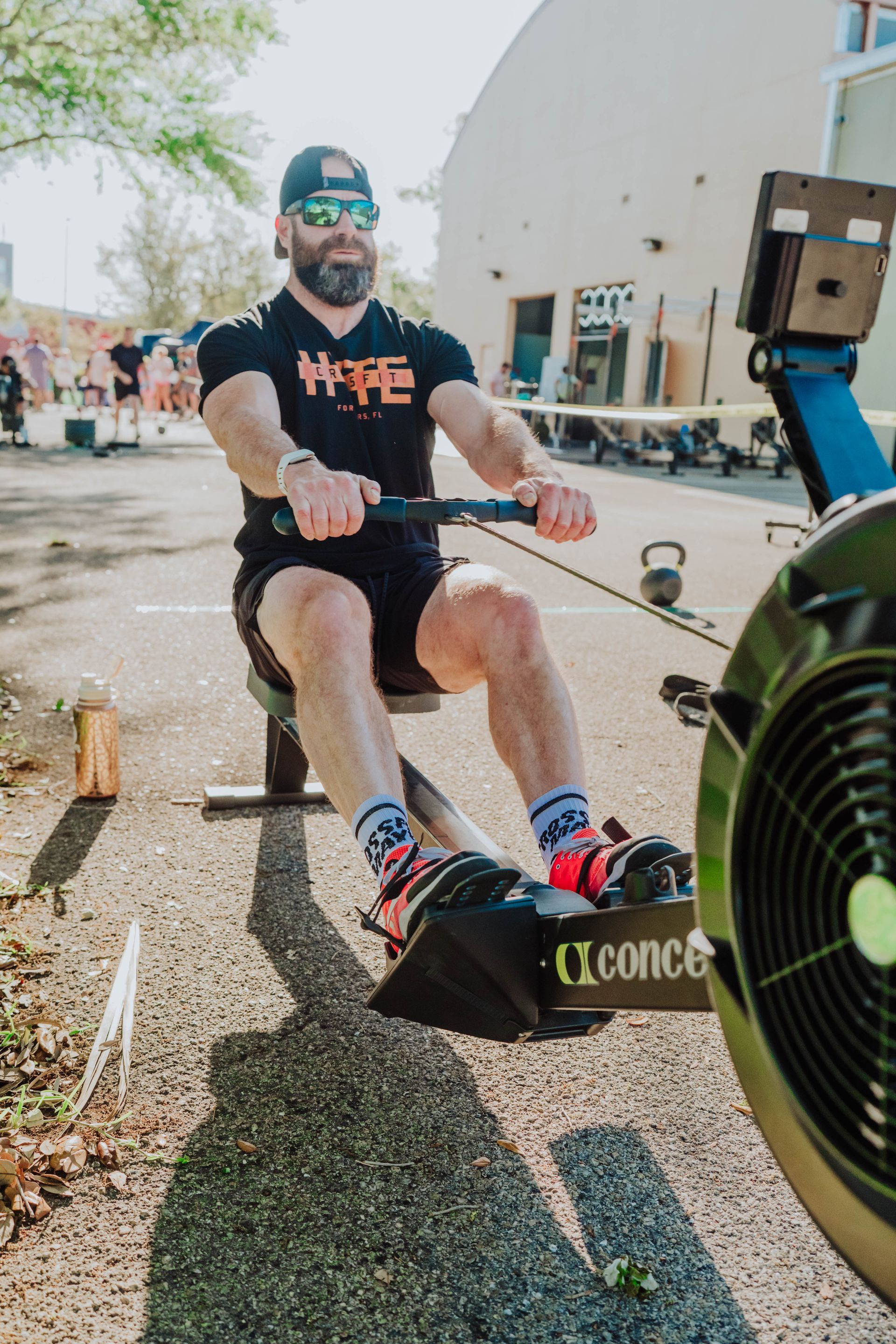
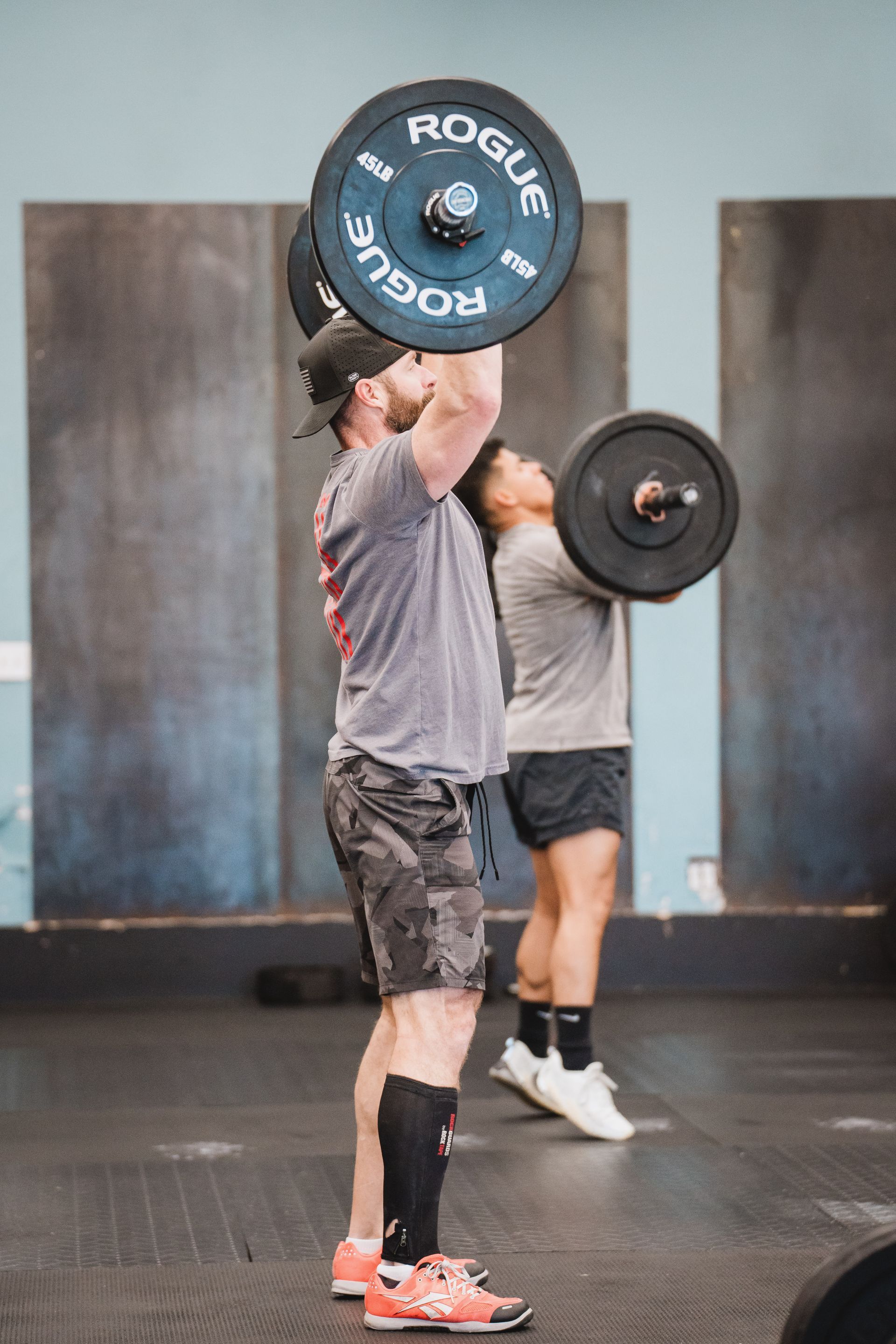
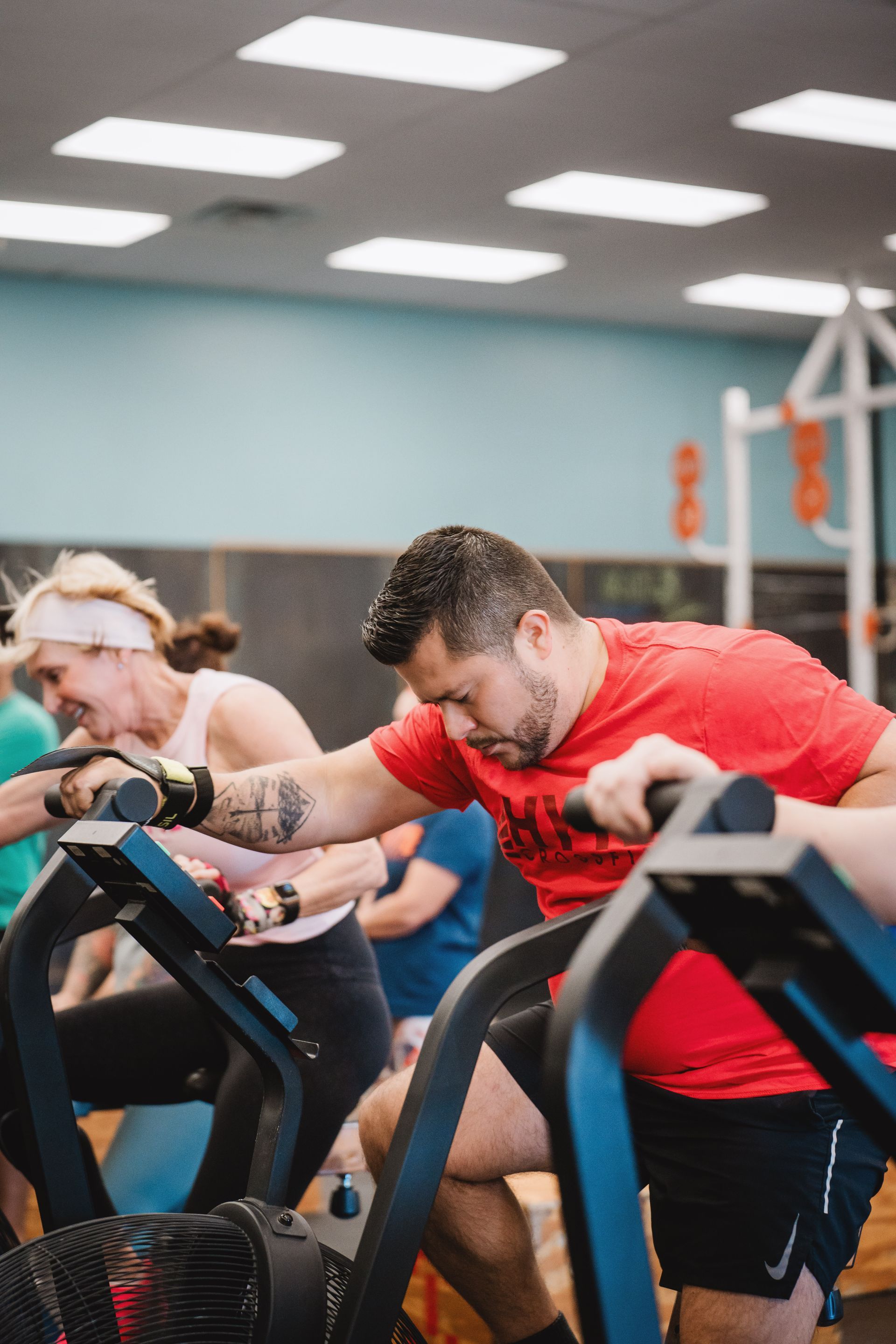
You're making it to class four or five days a week. You're sweating. You're lifting heavier than you were a few months ago. You're doing "all the right things."
So why don't you look or feel the way you expected?
If you've ever thought "I work out all the time, but I'm just not seeing results," you're not alone — it's one of the most common conversations we have at HYTE.
The good news: in most cases, the issue isn't that you're doing too little. It's that one or two key pieces of the puzzle are missing.
Here are the 7 most common reasons progress stalls — and how to get it moving again.
1. You're Outworking Your Nutrition
You can't out-train inconsistent nutrition. An hour in the gym is valuable, but there are 23 other hours in your day that influence your results.
Many people eat well Monday through Friday, then undo much of that progress with oversized restaurant meals, alcohol, snacks, or mindless eating over the weekend.
The goal isn't perfection — it's consistency. Small choices repeated over time will always beat an extreme diet that lasts two weeks.
Ask yourself: "Would my eating habits support my goals even if I didn't work out today?"
2. You're Not Eating Enough Protein
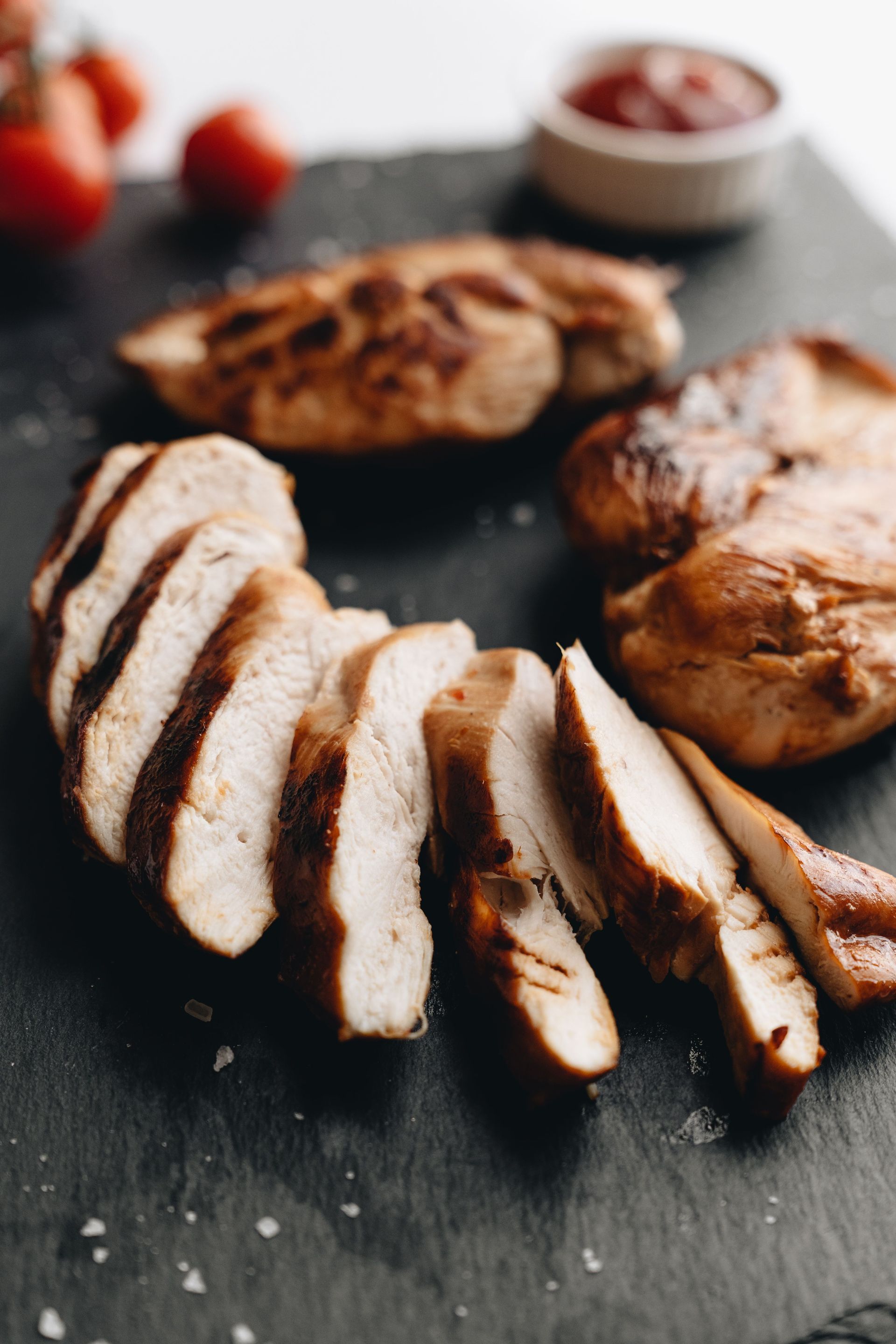
One of the first things we review with nutrition coaching clients is protein intake. Most people are eating far less than they realize.
Protein helps you:
- Preserve muscle during fat loss
- Stay fuller longer
- Recover faster between sessions
- Build strength
Without enough protein, it's much harder to lose fat while maintaining lean muscle. If you missed our guide to protein and fat loss, it's a great place to start."
3. You're Expecting the Scale to Tell the Whole Story
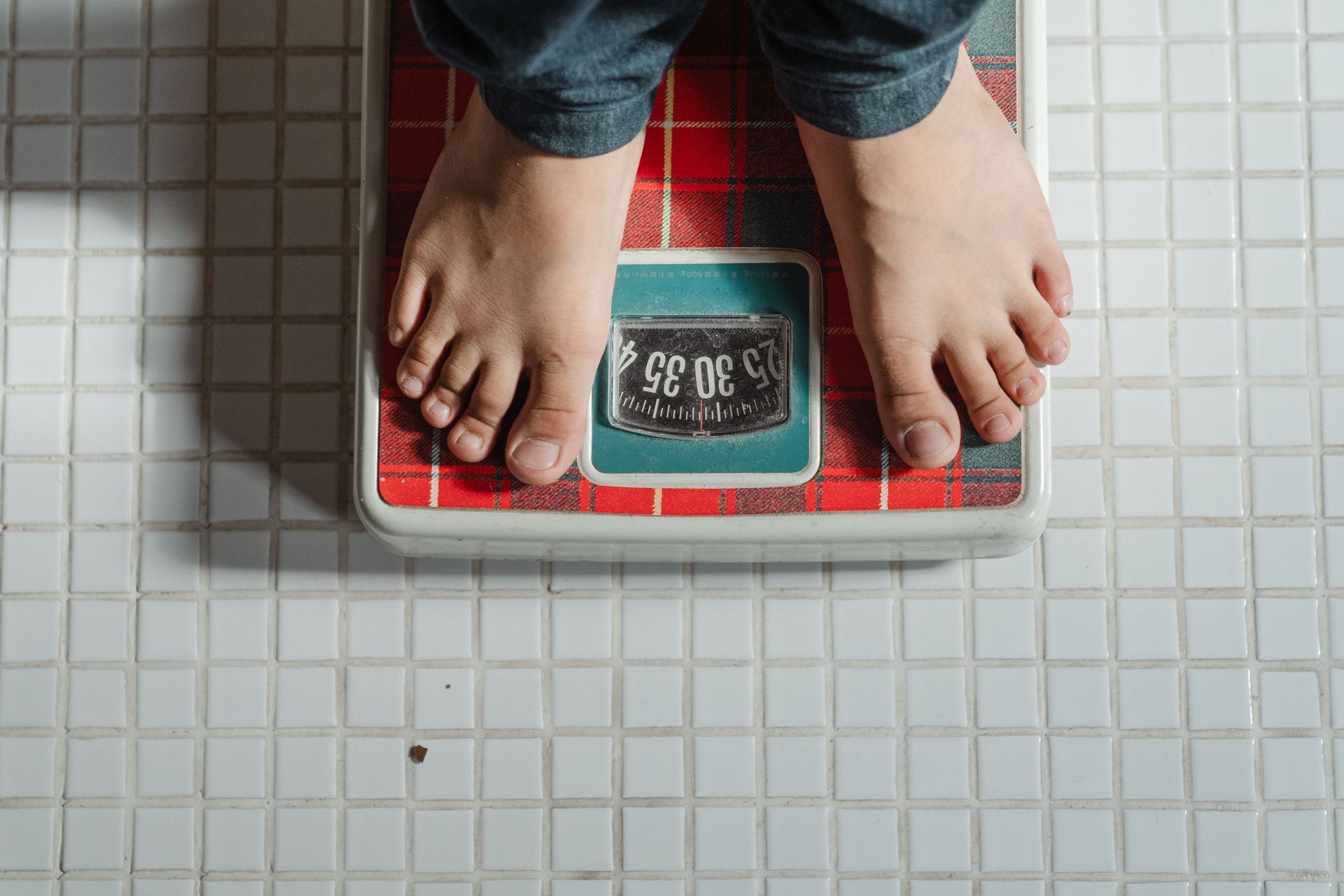
The scale is one piece of data, not the whole story.
Imagine you lose three pounds of fat and gain three pounds of muscle. The scale doesn't move — but did you make progress? Absolutely. Your clothes fit differently, you're stronger, and you have more energy.
At HYTE, we encourage members to track body composition, performance, progress photos, and how they feel — not just body weight.
4. Recovery Isn't Part of Your Plan
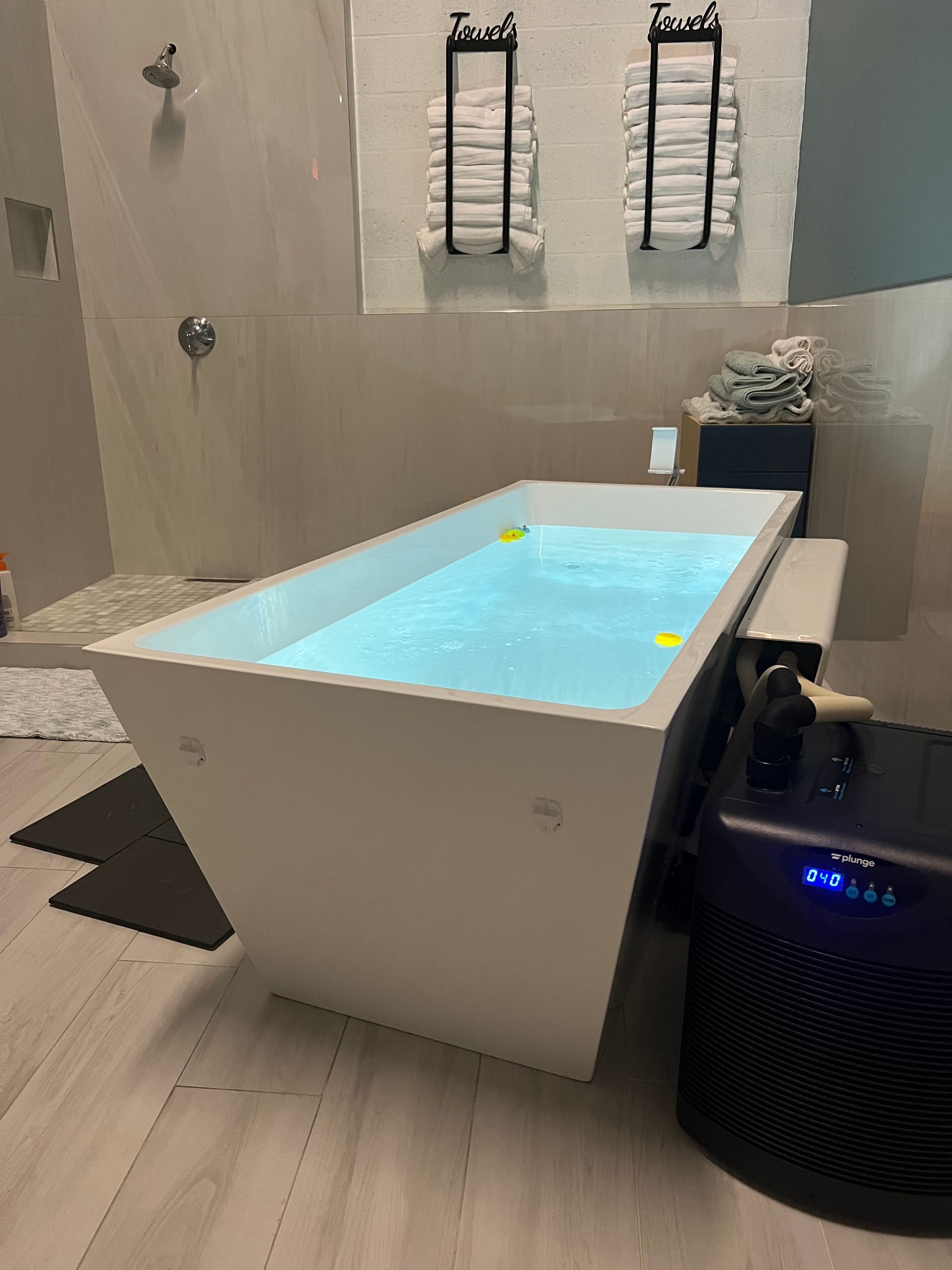
More isn't always better. If you're sleeping five hours a night, constantly stressed, and training hard every day, your body never gets the chance to fully recover.
Recovery includes:
- Quality sleep
- Hydration
- Rest days
- Walking
- Managing stress
You don't get stronger during your workout — you get stronger when your body recovers from it.
5. You're Not Progressively Challenging Yourself
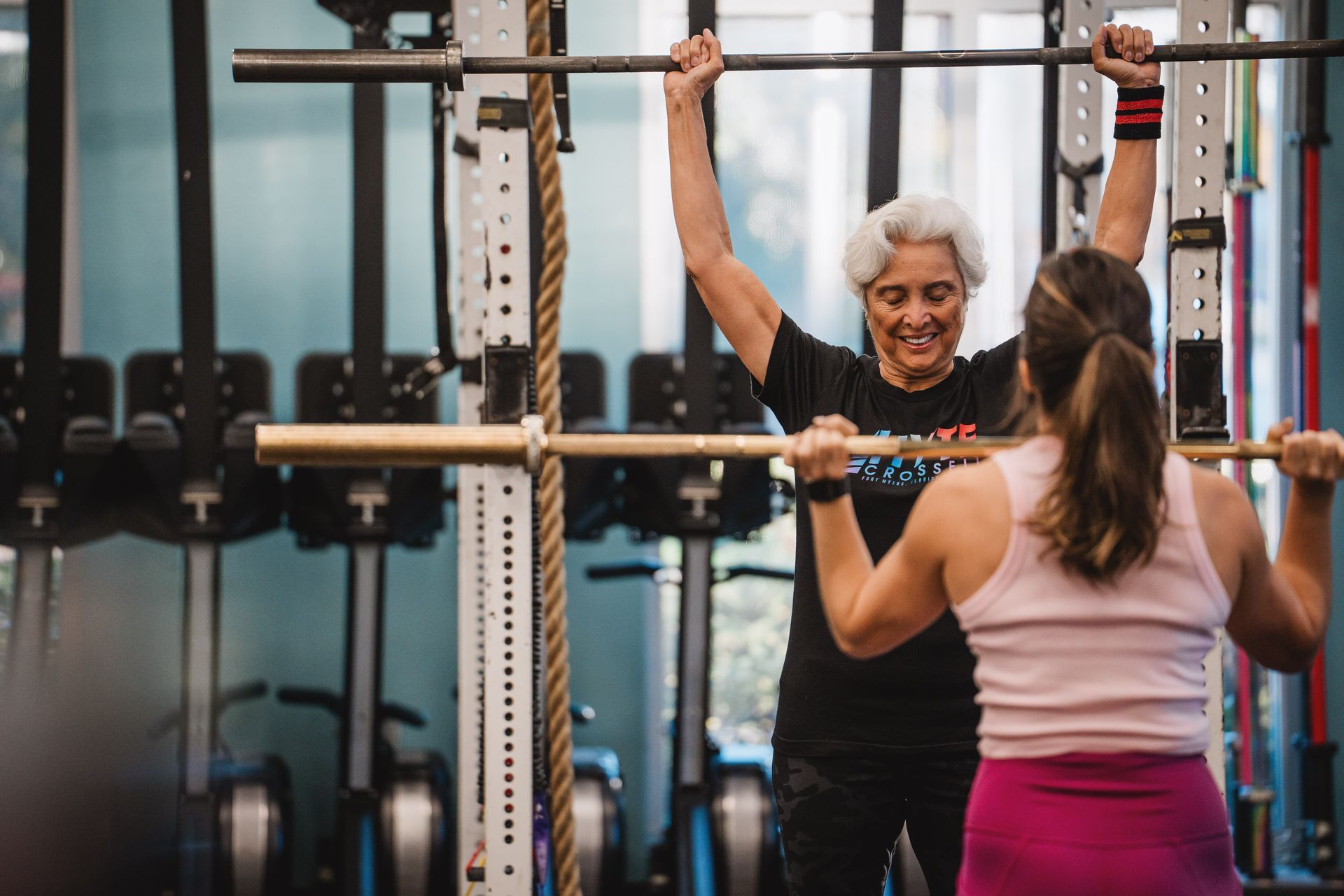
Doing the same workout with the same weights month after month leads to the same results. Progress happens when your body has a reason to adapt.
That might mean:
- Adding weight
- Improving technique
- Completing more reps
- Moving more efficiently
- Increasing consistency
Progress isn't always dramatic, small improvements add up.
6. You're Comparing Your Chapter 2 to Someone Else's Chapter 20
Social media makes it easy to forget that everyone starts somewhere. The member who just did muscle-ups once struggled with air squats. The person who lost 50 pounds began with their first workout too.
The only comparison that matters is who you were six months ago.
7. You're Looking for Fast Results Instead of Lasting Results
The fitness industry loves quick fixes: six-week challenges, detoxes, extreme diets, rapid weight loss. The problem is most of them don't last.
At HYTE, we'd rather help someone build habits they can maintain for years than chase rapid results they'll lose a month later. Lasting change isn't built in six weeks, it's built one habit at a time.
The Bottom Line
If you're exercising consistently but not seeing the results you want, don't assume your hard work isn't paying off. Most of the time, the issue isn't your effort, it's your strategy.
Small adjustments to your nutrition, recovery, and daily habits can make a bigger difference than adding another workout to your week. The goal isn't to work harder. The goal is to work smarter.
Frequently Asked Questions
Why am I not losing weight even though I work out 5 days a week?
Working out doesn't guarantee weight loss if nutrition isn't dialed in, since fat loss depends on a consistent calorie deficit. Inconsistent eating, low protein intake, and poor recovery are the most common culprits when the scale won't move despite regular training.
How long does it take to see results from working out?
Most people notice strength and energy improvements within 2–4 weeks, but visible body composition changes typically take 8–12 weeks of consistent training and nutrition. Results depend on starting point, consistency, and how well nutrition and recovery support the training.
Why is the scale not moving even though my body looks different?
The scale only measures total weight, not body composition. It's common to lose fat and gain muscle at the same time, which can keep the number on the scale flat even as your body changes.
How much protein should I eat if I'm working out regularly?
Protein needs vary by body weight and goals, but active individuals generally need more than they're currently eating. A coach or nutrition professional can help calculate a target based on your specific goals.
What's more important for results: workouts or nutrition?
Neither works well without the other, but nutrition often has a bigger impact on visible results like fat loss and body composition. Training builds the stimulus for change; nutrition provides the fuel and conditions for that change to happen.
Ready to Break Through Your Plateau?
If you've been putting in the work but aren't seeing the results you expected, you don't need another generic workout plan — you need a personalized strategy.
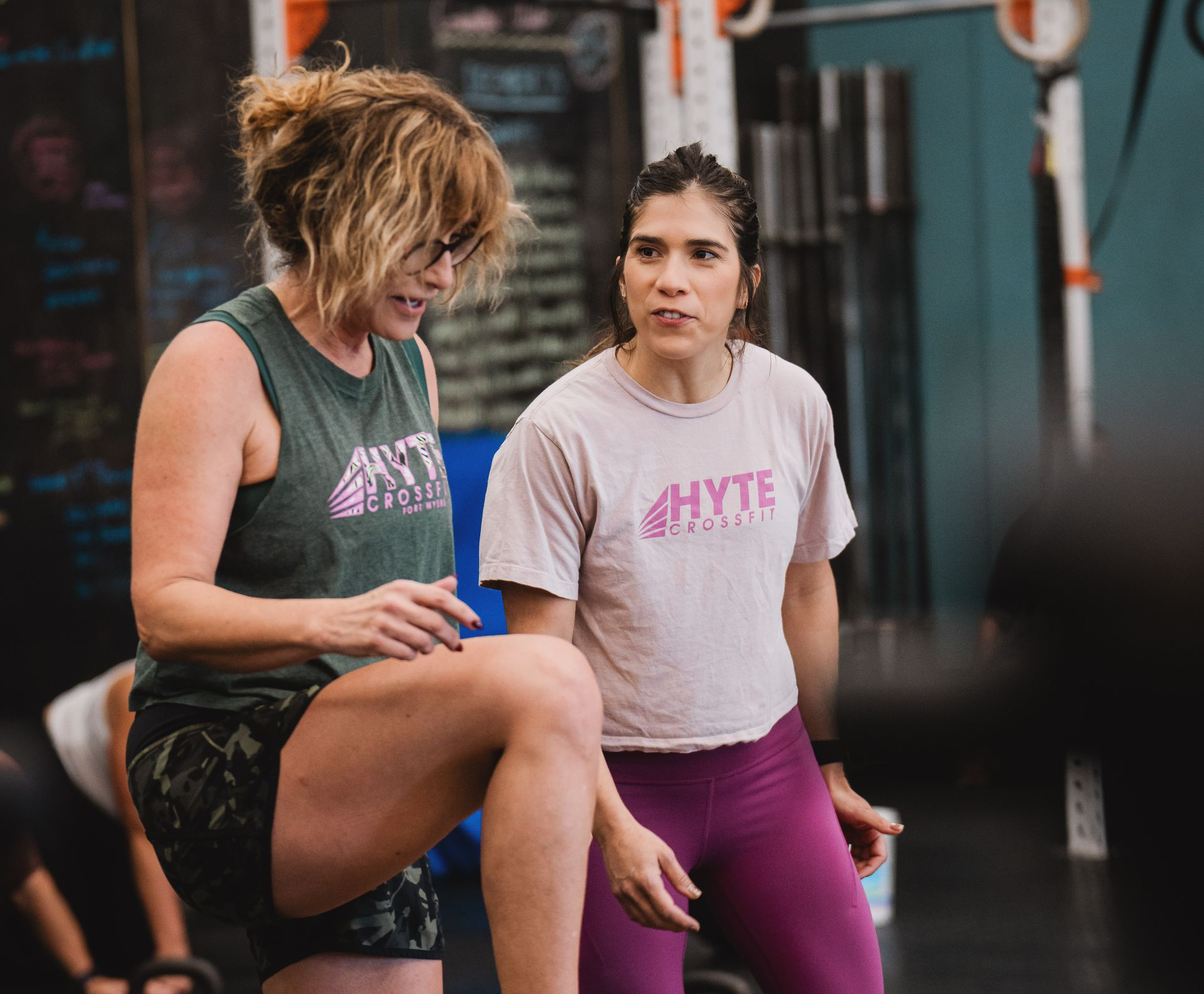
At HYTE, our coaches look at the whole picture: your training, nutrition, recovery, lifestyle, and goals. Together, we'll identify what's holding you back and create a plan that's realistic, sustainable, and built around your life.
Schedule your free intro today and let's take the guesswork out of your fitness journey.
Mariana Monsalve is the owner and a coach at HYTE CrossFit with more than seven years of coaching experience. She is a CrossFit Level 2 Trainer (CF-L2), NASM Certified Personal Trainer (NASM-CPT), and Precision Nutrition Level 1 Coach (PN-L1).