Why is it so hard to stay consistent with a gym membership?

May 20, 2026

The Real Reasons People Quit Working Out — And How to Finally Build Lasting Fitness Habits

You start motivated.


New gym clothes.

New goals.

Maybe even a promise to yourself:


 “This time I’m really going to stick with it.


For a few weeks, things feel great.


Then life happens.


Work gets busy.

Motivation fades.

Your schedule changes.

You miss a few workouts… and suddenly months have passed.


If that sounds familiar, you’re not alone.


The truth is, most people don’t struggle with fitness because they’re lazy. They struggle because staying consistent is harder than most fitness advice makes it seem.


And understanding why consistency is difficult is often the first step toward finally changing it.


Why Do People Struggle to Stay Consistent With the Gym?


1. Motivation Doesn’t Last Forever


One of the biggest misconceptions in fitness is that successful people are always motivated.


They’re not.


Motivation is emotional — and emotions change daily.


Some days you’ll feel energized and excited to work out.

Other days you’ll feel exhausted, stressed, overwhelmed, or simply not in the mood.


That’s normal.


The people who stay consistent usually don’t rely on motivation alone. Instead, they build routines that make exercise part of their lifestyle.


What actually helps:


✔ Scheduling workouts ahead of time

✔ Training at consistent times

✔ Having accountability

✔ Focusing on showing up instead of being perfect


Consistency is built through structure — not constant inspiration.


2. Unrealistic Goals Lead to Burnout


A lot of people start their fitness journey trying to completely overhaul their life overnight.


They go from:


  • Never exercising → training 6 days a week
  • Eating normally → extremely restrictive dieting
  • Sedentary lifestyle → intense daily workouts


That approach might work temporarily.


But eventually:


Energy drops, Motivation fades, Soreness builds, Life becomes overwhelming. And burnout follows.


Sustainable fitness looks different.


Real progress usually comes from:


  • 3–4 workouts per week
  • Better daily habits
  • More consistency
  • Less perfectionism


Small habits repeated consistently will always outperform extreme short-term effort.


3. Many People Don’t Enjoy Their Workouts


This is a huge one.


If you dread every workout, consistency becomes exhausting.


Not everyone enjoys:


  • Traditional gyms
  • Long cardio sessions
  • Working out alone
  • Generic workout routines


The “best” workout program isn’t the trendiest one.


It’s the one you can realistically enjoy and maintain long term.


That’s why many people thrive with:


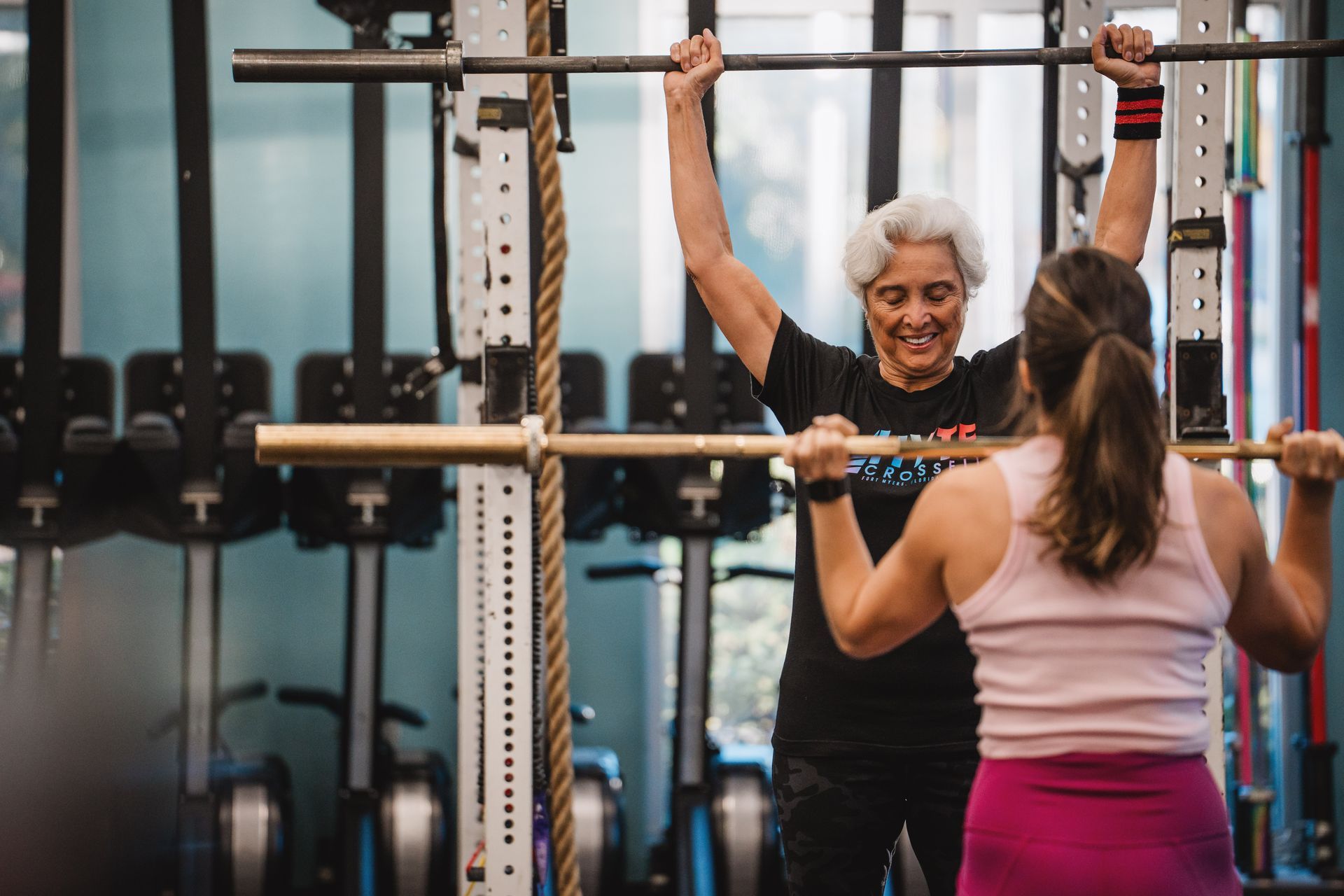
  • Group fitness
  • CrossFit
  • Personal training
  • Functional fitness
  • Coach-led workouts
  • Community-driven gyms


When workouts feel engaging and rewarding, showing up becomes easier.

4. Results Take Longer Than People Expect


Social media has created unrealistic expectations around fitness progress.


People expect:


* Rapid weight loss, Immediate abs, Fast transformations, Instant confidence. But real fitness progress is usually slower — and more sustainable.


Often, the first changes are things you feel before things you see:


  •  More energy
  • Better sleep
  • Reduced stress
  • Improved confidence
  • Better mood
  • Increased strength


Visible body changes often come later.


When people only focus on the scale, they miss the deeper progress happening underneath.


5. Busy Lives Make Fitness Hard


Most adults are juggling a lot.


Work.

Kids.

Stress.

Schedules.

Responsibilities.

Mental exhaustion.


And when life gets overwhelming, workouts are often the first thing to disappear.


That doesn’t mean someone failed.


It means they’re human.


The key is building a routine that fits real life.


That may mean:


  • 45-minute workouts
  • Flexible scheduling
  • Training 3 days instead of 6
  • Prioritizing consistency over intensity


Fitness should support your life — not become another source of stress.


6. Lack of Accountability Makes It Easier to Quit


One of the biggest reasons people stop going to the gym is simple:


Nobody notices when they disappear.


Many gyms provide access, but very little support.


People join, feel motivated initially, then slowly stop showing up because there’s no accountability system in place.


Accountability changes everything.


People are far more likely to stay consistent when they have:

✔ Coaches

✔ Workout partners

✔ Group classes

✔ Progress tracking

✔ Supportive community


Having people encourage you — and expect to see you — creates momentum that motivation alone cannot.


7. The “All or Nothing” Mindset Keeps People Stuck


This mindset sounds like:


> “If I can’t do everything perfectly, why bother?”


So after:


  •  Missing a workout
  • Eating off-plan
  • Traveling
  • Getting busy


…people feel like they failed and completely stop.


But sustainable fitness isn’t about perfection.


It’s about returning to healthy habits again and again.


Consistency doesn’t mean:


❌ Never missing workouts

❌ Eating perfectly all the time

❌ Being motivated every day


Consistency means:


✔ Continuing after setbacks

✔ Adjusting during busy seasons

✔ Staying committed long term


That’s what creates lasting results.


 What Actually Helps People Stay Consistent?


The people who succeed long term usually focus on a few key things:


1. A Realistic Plan


One that fits their schedule, energy, and lifestyle.


2. Accountability


Support from coaches, friends, or a fitness community.


3. Enjoyable Workouts


Exercise shouldn’t feel like punishment.


4. Sustainable Habits


Small actions repeated consistently over time.


5.Flexibility


Understanding that imperfect weeks are still part of progress.


Final Thoughts


Staying consistent with fitness is hard because life is hard.


Most people don’t need more guilt, pressure, or extreme programs.


They need:


  • Support
  • Structure
  • Accountability
  • A realistic approach they can sustain


At Hyte CrossFit, we believe fitness should help people build stronger, healthier lives — not become another stressful obligation.


Whether your goal is strength, fat loss, confidence, or simply feeling better again, consistency becomes much easier when you have the right coaching and community behind you. Book Your Free Intro today to find out more.


Because lasting results aren’t built through perfection.


They’re built through continuing to show up...


By Mari & Ricky • October 29, 2026
The short answer: You don't need to be fit to start CrossFit, nobody is judging your weights, and scaling is smart training, not cheating. Progress shows up in more than the scale, consistency beats intensity, rest is when you get stronger, and the community is what keeps you coming back. After years of coaching at our Fort Myers gym, we've watched hundreds of people walk through our doors for the first time. Most of them carry the same worries. Here are the eight lessons we wish every new member knew on day one. Number 6 might change how you train. 1. You don't have to get fit before joining a gym Getting fit is what the gym is for. The most common thing we hear at a Free Intro is "I'll come in once I'm in better shape." That day rarely comes on its own. Every CrossFit workout at Hyte is scalable. Our coaches adjust the weight, the movement and the pace to where you are today, whether you're 25 or 70, brand new or coming back after years off. 2. Nobody is watching how much weight you're lifting The people around you are too busy getting through their own workout to check your barbell. In a group class, everyone is working at their own level at the same time. What people do notice is effort. When you finish last, the class cheers you through your final reps. That's the culture we've built: no egos, just people working hard side by side. 3. The scale doesn't tell the whole story Getting stronger, sleeping better and having more energy count as progress too. Your weight can sit still for weeks while your body composition, strength and conditioning change underneath it. Track the wins the scale can't see: a heavier deadlift, your first unassisted pull-up, jeans that fit differently, an easier time keeping up with your kids. If body composition is your goal, pair training with nutrition coaching so you can see the full picture. 4. Rest days aren't a sign of weakness Your body gets stronger while it recovers, not while you train. Workouts create the stress; sleep, food and rest days are when your muscles repair and adapt. Skipping rest leads to stalled progress, nagging aches and burnout. Most of our members do best with 3 to 5 classes a week plus active recovery like walking, mobility work or time in our cold plunge room. 5. The best workout isn't the hardest one The best workout is the one you can show up for consistently. One brutal session that leaves you too sore to move for four days does less than three steady sessions a week. Results come from months of showing up, not from one heroic day. Pick a class schedule that fits your real life, then protect it. 6. You don't have to RX every workout Scaling isn't cheating. It's training smart. "RX" means doing a workout exactly as written, with the prescribed weights and movements. It's a target, not a requirement. Scaling means adjusting a workout to match your current ability: lighter loads, modified movements or fewer reps. It keeps the intended stimulus of the workout while protecting your form and joints. Many of our strongest members still scale often, and that's exactly why they keep improving year after year. 7. You won't always feel motivated Some days, just walking through the door is the win. Motivation comes and goes; habits are what carry you on the low days. Book your classes ahead of time, have a friend expect you there, and lower the bar on hard days. A lighter session still counts. Showing up tired is a skill, and it builds the consistency that changes everything. 8. The people are what keep you coming back You join for the workouts. You stay for the community. The fist bumps after a tough workout, the members who notice when you've missed a week, the friendships that start between rounds: that's what makes training stick. It's the part of Hyte our members mention most. A gym full of people who know your name is a lot harder to q 
Bring-A-Friend Week at Hyte CrossFit in Fort Myers, Florida, November 16-20, 2026
By Mariana Monsalve • October 22, 2026
Join Hyte CrossFit's Bring-A-Friend Week in Fort Myers, November 16-20, 2026. Five days of unlimited classes, expert coaching, and beginner-friendly workouts.
How to Find Time to Work Out | HYTE CrossFit Fort Myers
By Mariana Monsalve • October 15, 2026
Struggling to find time to work out? Discover practical fitness tips, flexible CrossFit classes, and personal training at HYTE CrossFit in Fort Myers.
By Mariana Monsalve • October 7, 2026
Skip the 5-second tricks. Learn what visceral fat is, why it matters, and the four whole-food habits that actually reduce belly fat.
Athlete rowing with proper form during a 500m row workout at HYTE CrossFit in Fort Myers
By Ricardo Belen • September 14, 2026
Stuck on your 500m row time? Learn the rowing technique, pacing and training strategy that actually lowers your split — from HYTE Endurance Club.
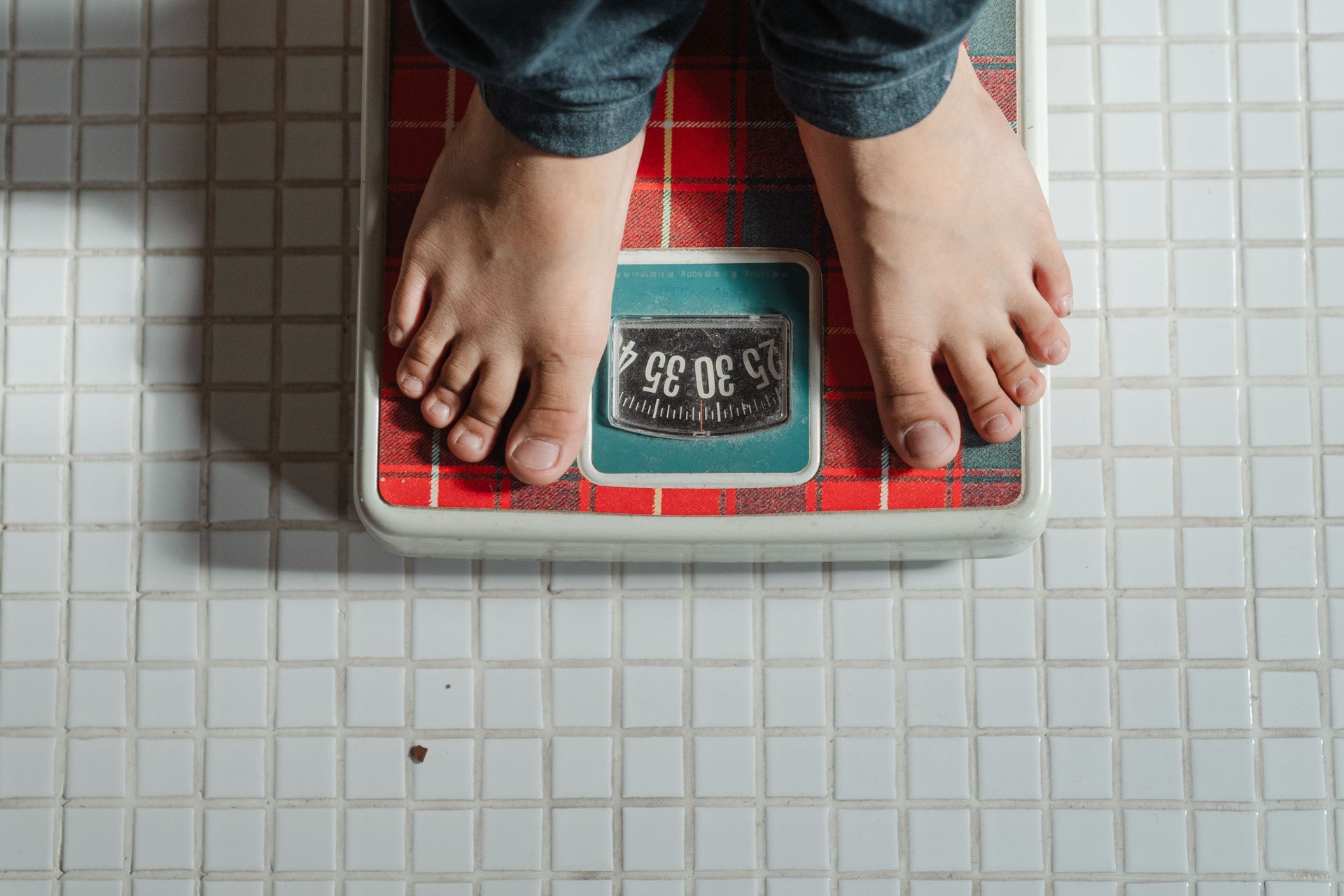
Person standing on a digital scale, weight loss
By Mariana Monsalve Chacon • September 8, 2026
Taking a GLP-1 like Ozempic or Zepbound? Learn why strength training and protein are key to protecting muscle — and how Hyte CrossFit in Fort Myers can help.
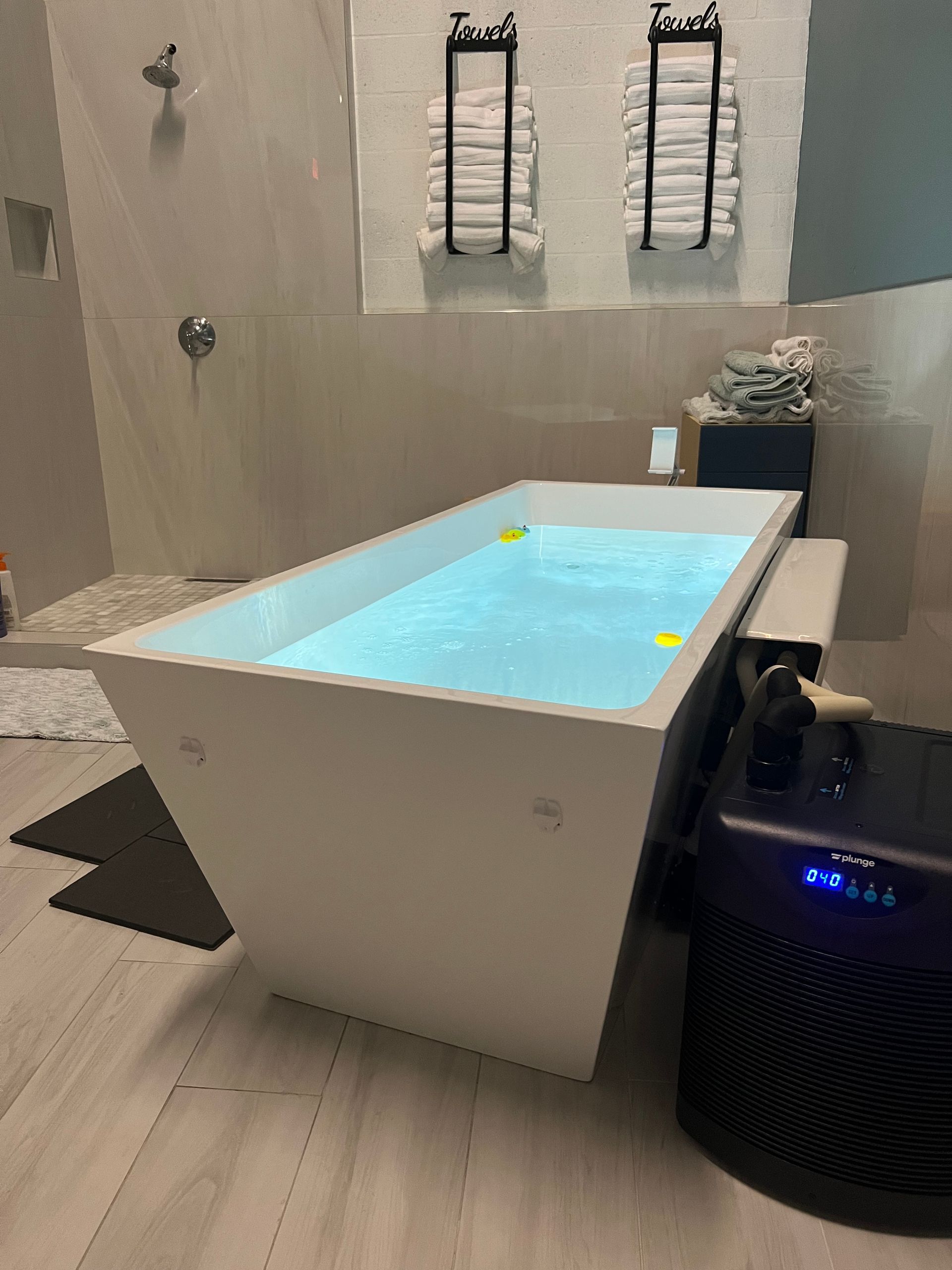
cold plunge room at HYTE CrossFit in Fort Myers
By Mariana Monsalve • August 24, 2026
What does the research actually say about cold plunging? A Fort Myers CrossFit coach breaks down soreness, muscle growth, mood, and sleep benefits.
New member doing a one-on-one CrossFit onboarding session with a HYTE coach in Fort Myers.
By Mariana Monsalve • August 12, 2026
Nervous to start CrossFit? See exactly what your first month at HYTE looks like — from 1-on-1 onboarding to your first scaled group class.
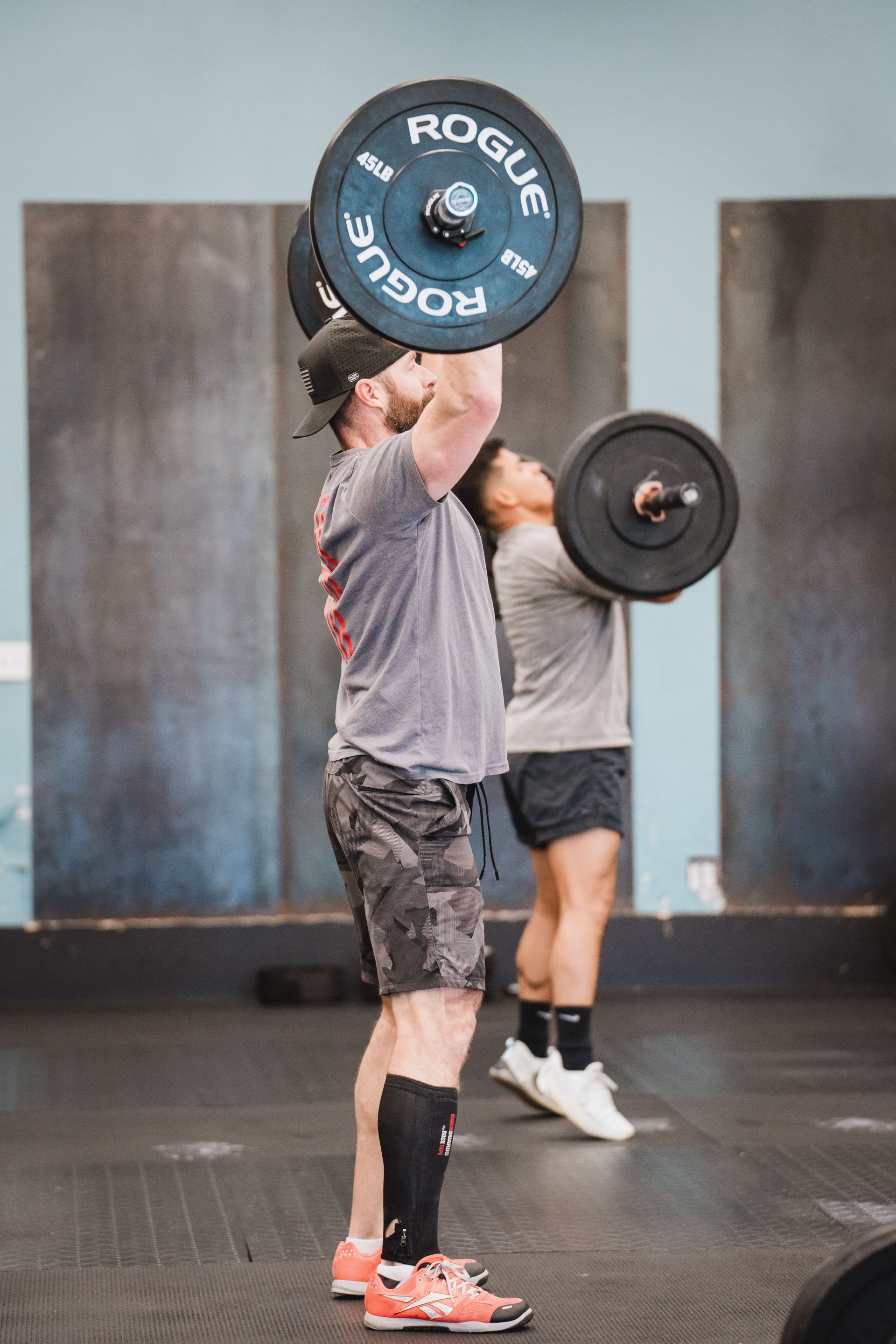
Person lifting a barbell overhead in a gym, with another athlete lifting behind them.
By Mariana Monsalve • August 6, 2026
Discover the science-backed benefits of strength training — fat loss, longevity, stronger bones — plus how often to train and how to start safely.
Gym class with people doing synchronized barbell overhead presses in a colorful studio
By Mariana Monsalve • July 30, 2026
Working out consistently but not seeing results? Discover the 7 most common reasons progress stalls—and how to start moving forward again.